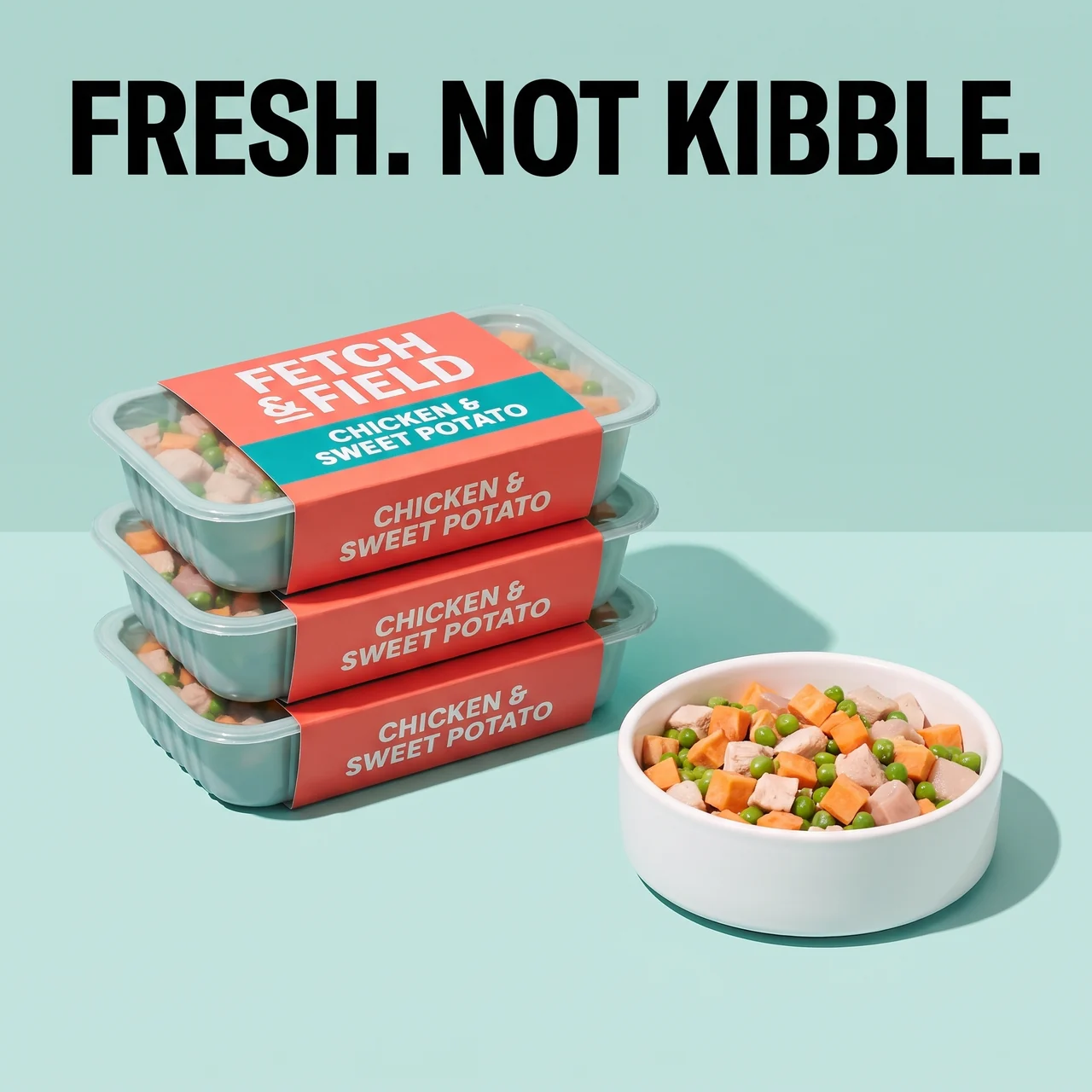
One visitor, start to finish Fetch & Fieldillustrative replay
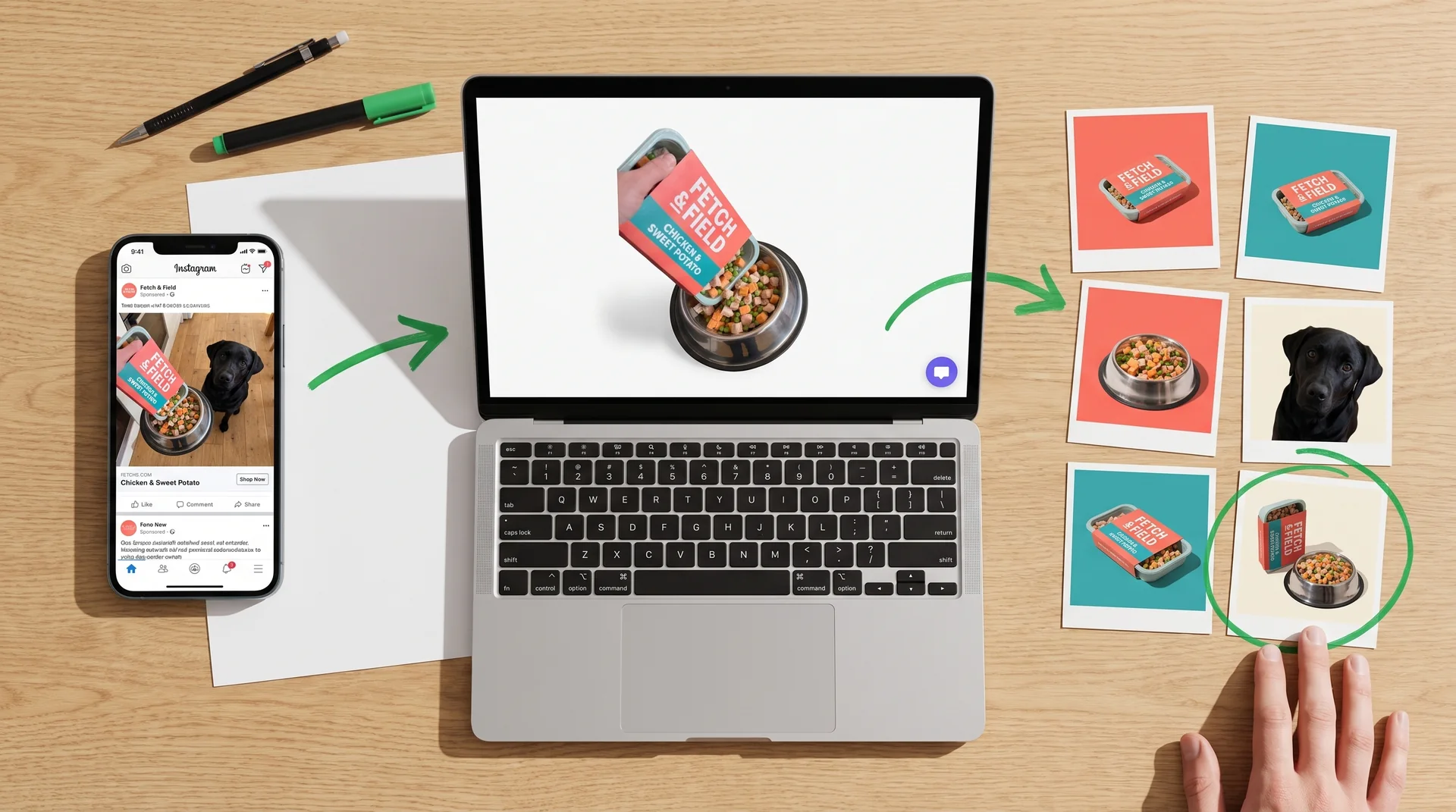

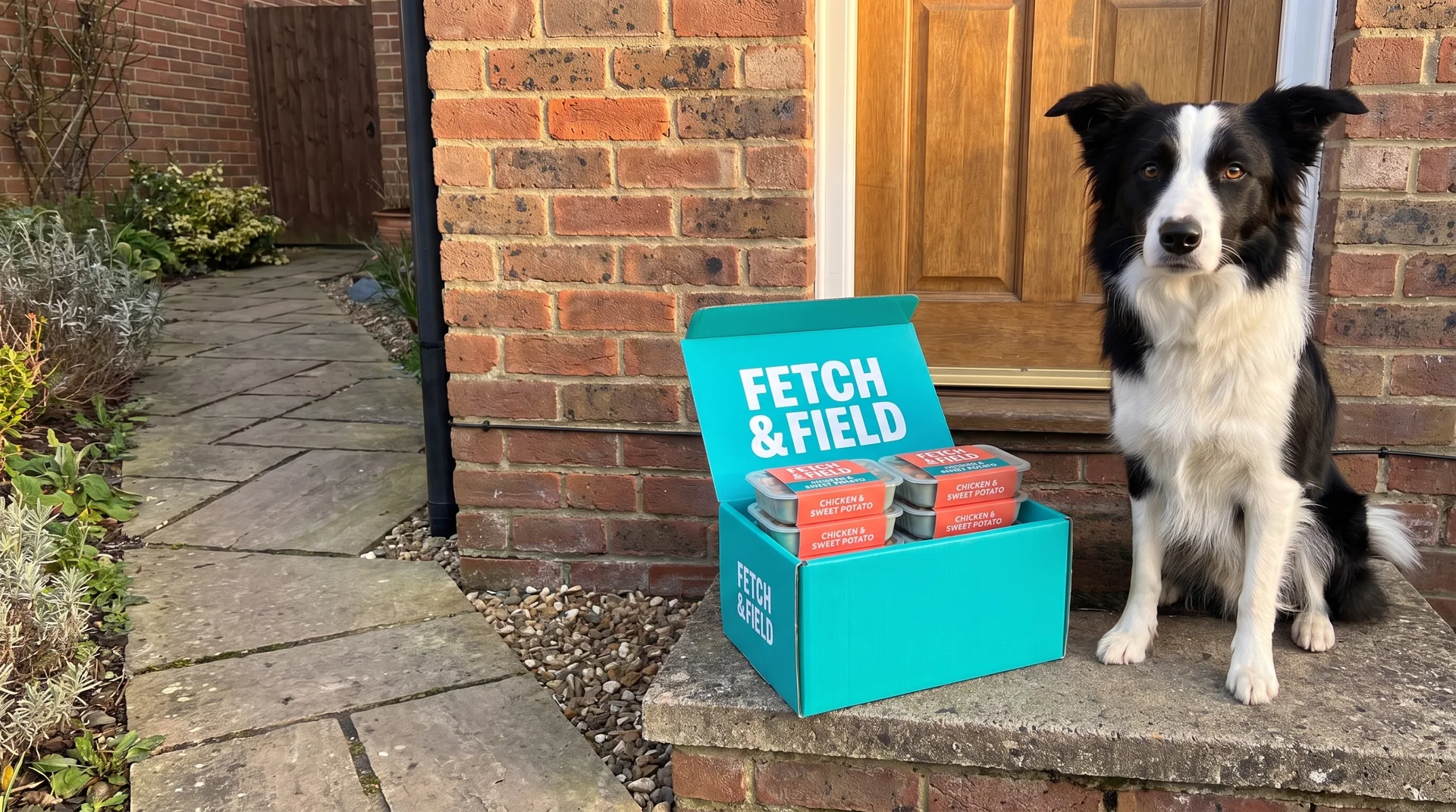
The Intelligent Commerce System
Find, convert and retain more customers.
Five numbers it moves, and how- 1Lower cost per saleIt backs the winning ad
- 2Higher conversion rateIt sends her to the matching page
- 3Lower bounce rateIt answers her doubt
- 4Bigger ordersIt suggests the add‑on
- 5Higher lifetime valueIt follows up
Your numbers
Cost per sale0%
Cost per order$31
Bounce rate
Order value$24
Repeat orders
1Lower cost per sale
2:14 PM · HowIt backs the winning adFetch & FieldSponsored
We tried four brands for our picky eater. This is the first one she finished.
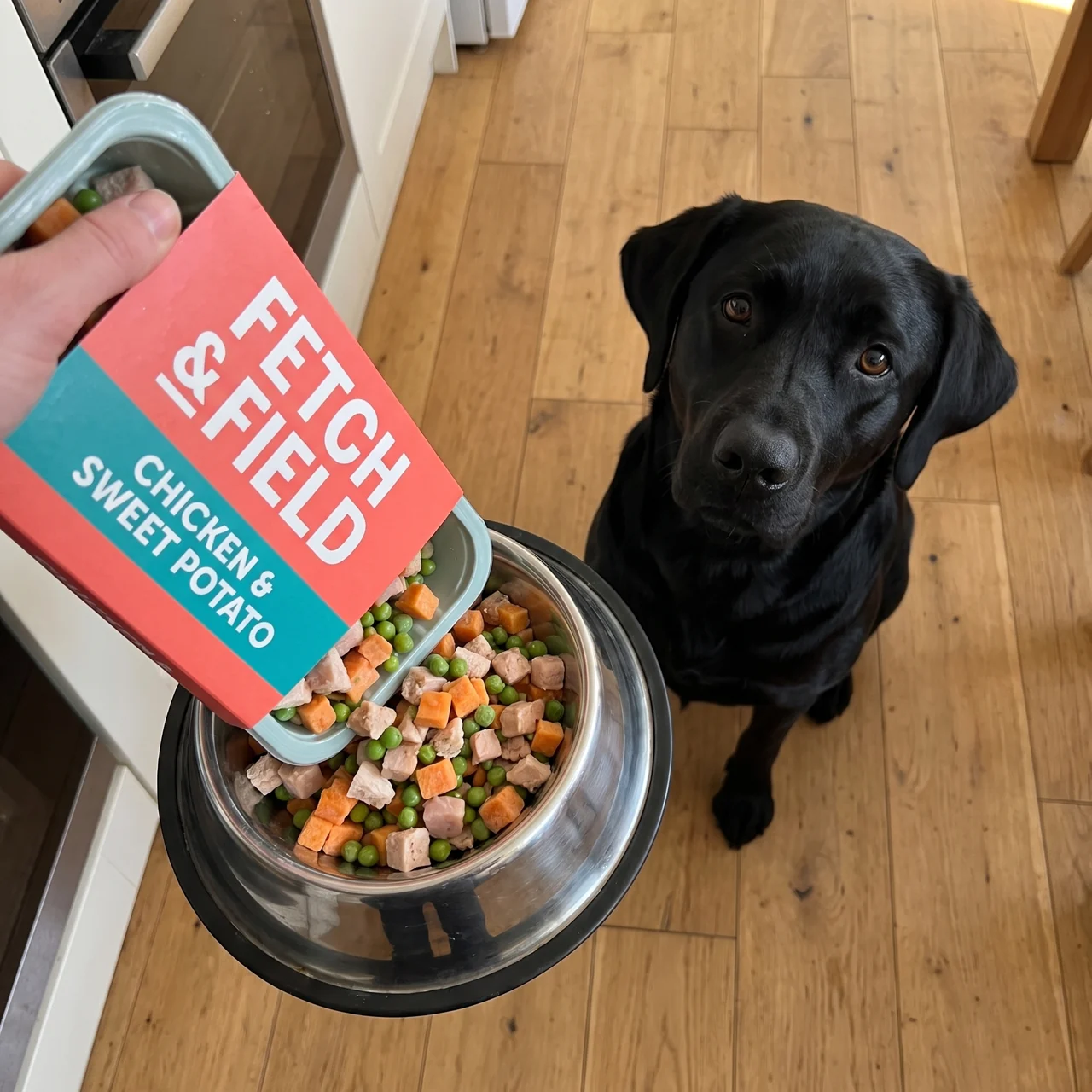
Why we switchedLearn More
7 versions rancost per sale tracked
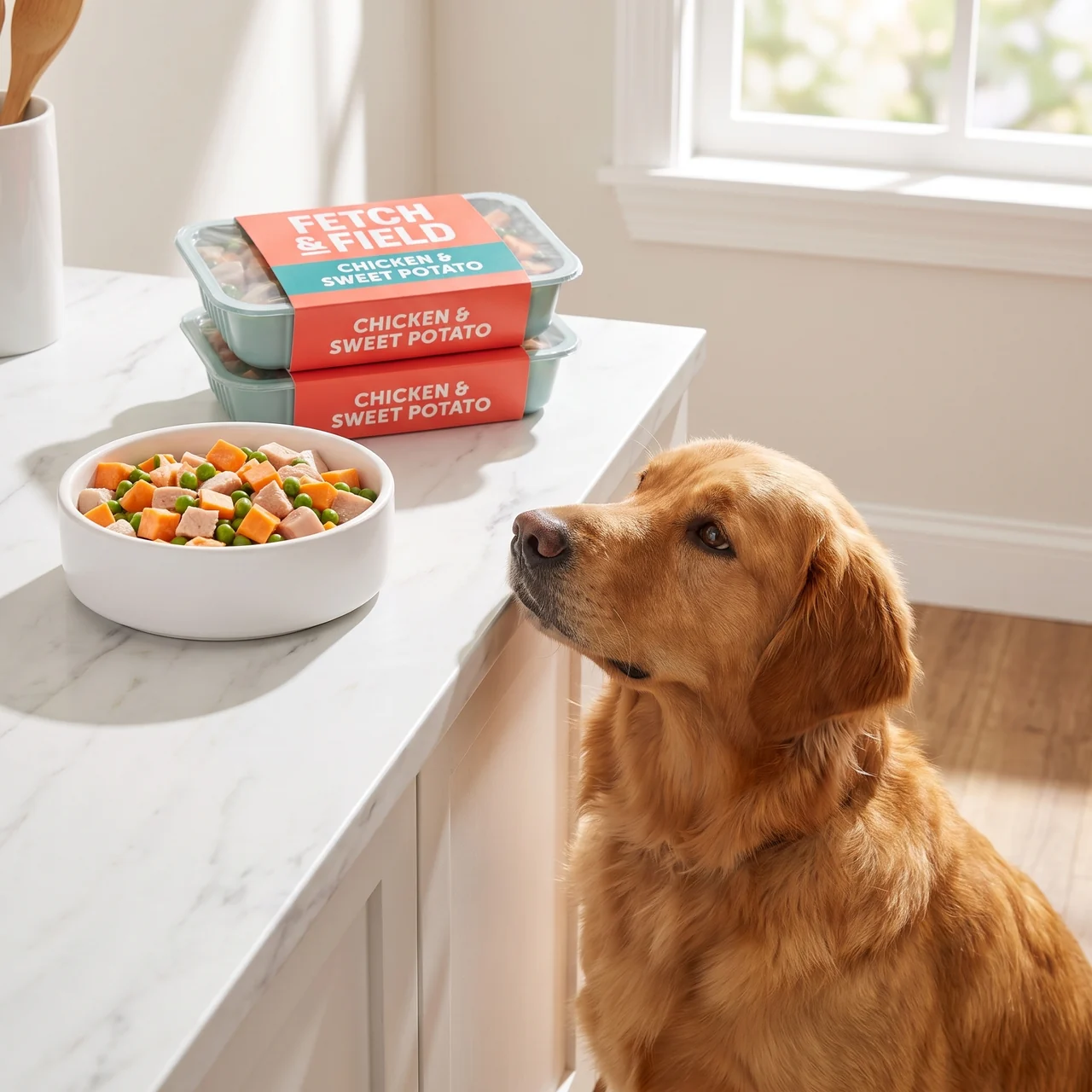
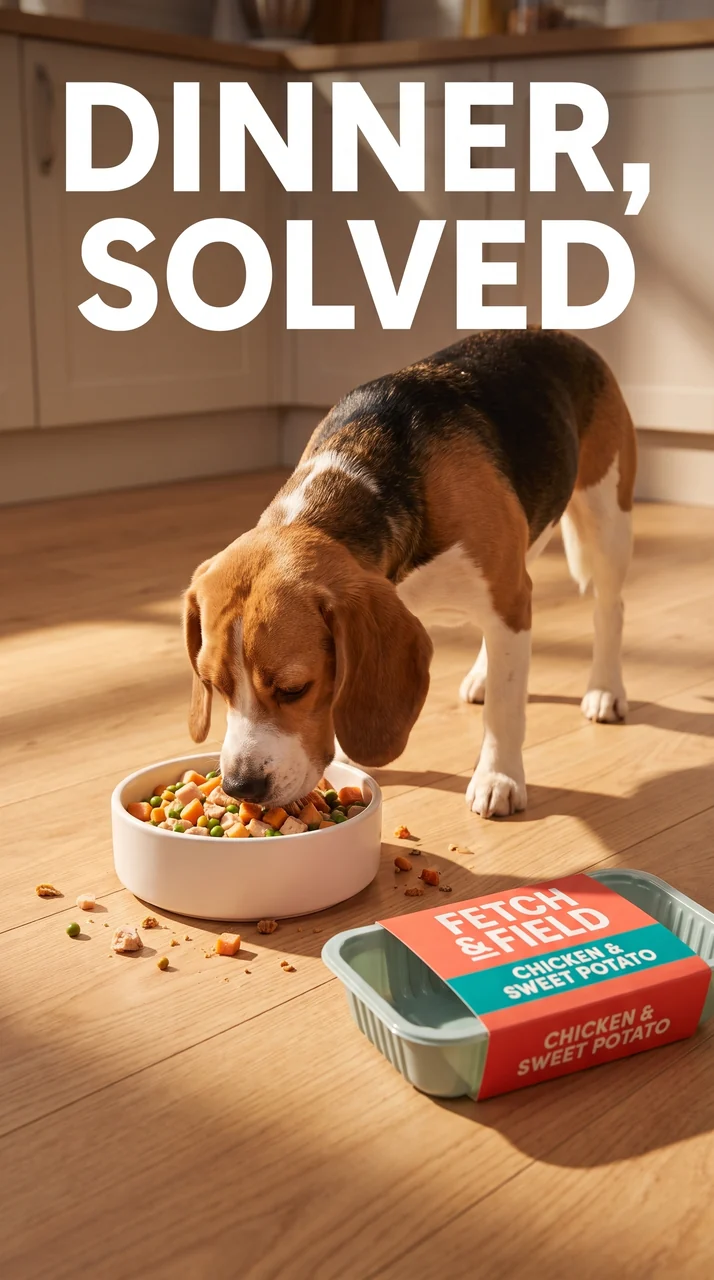

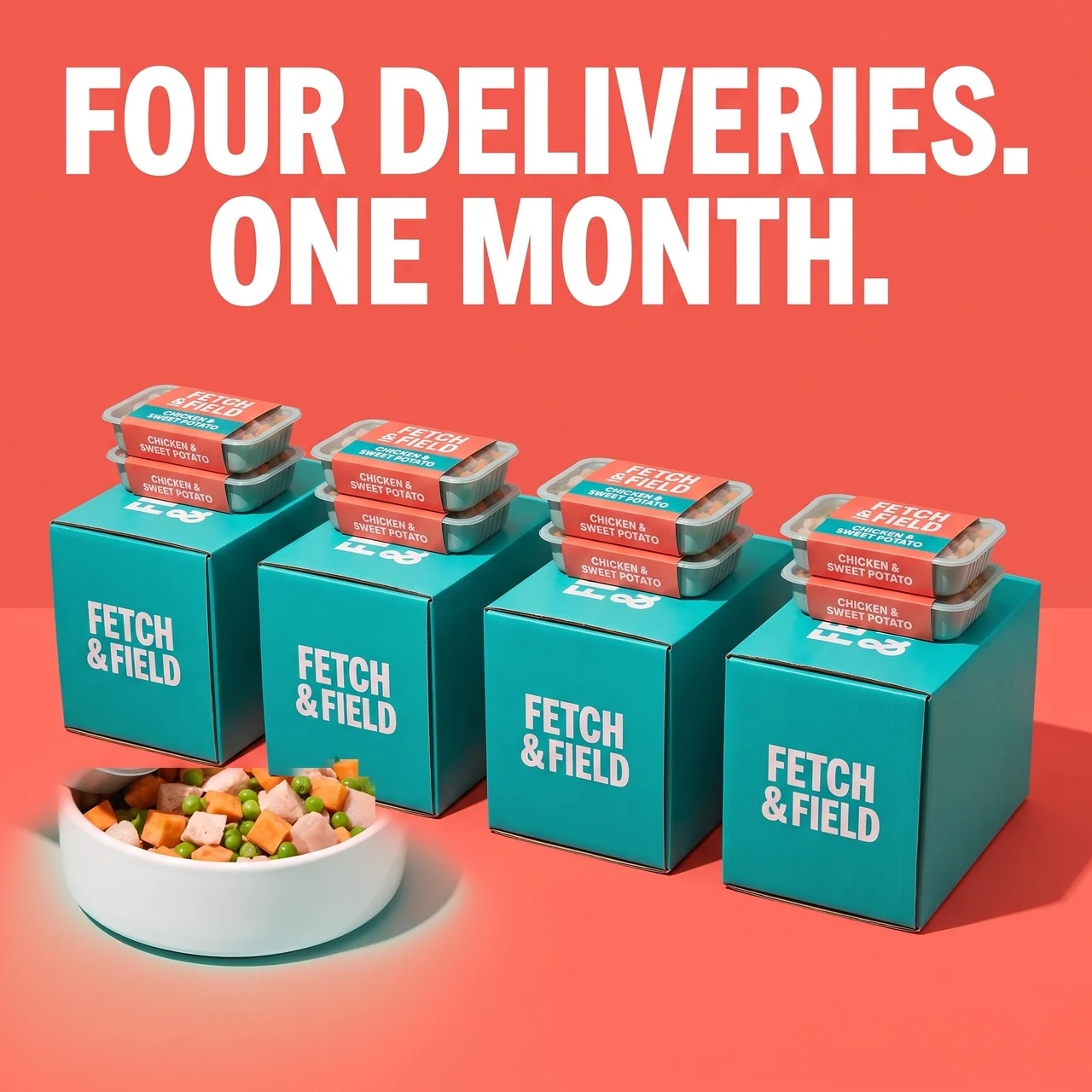
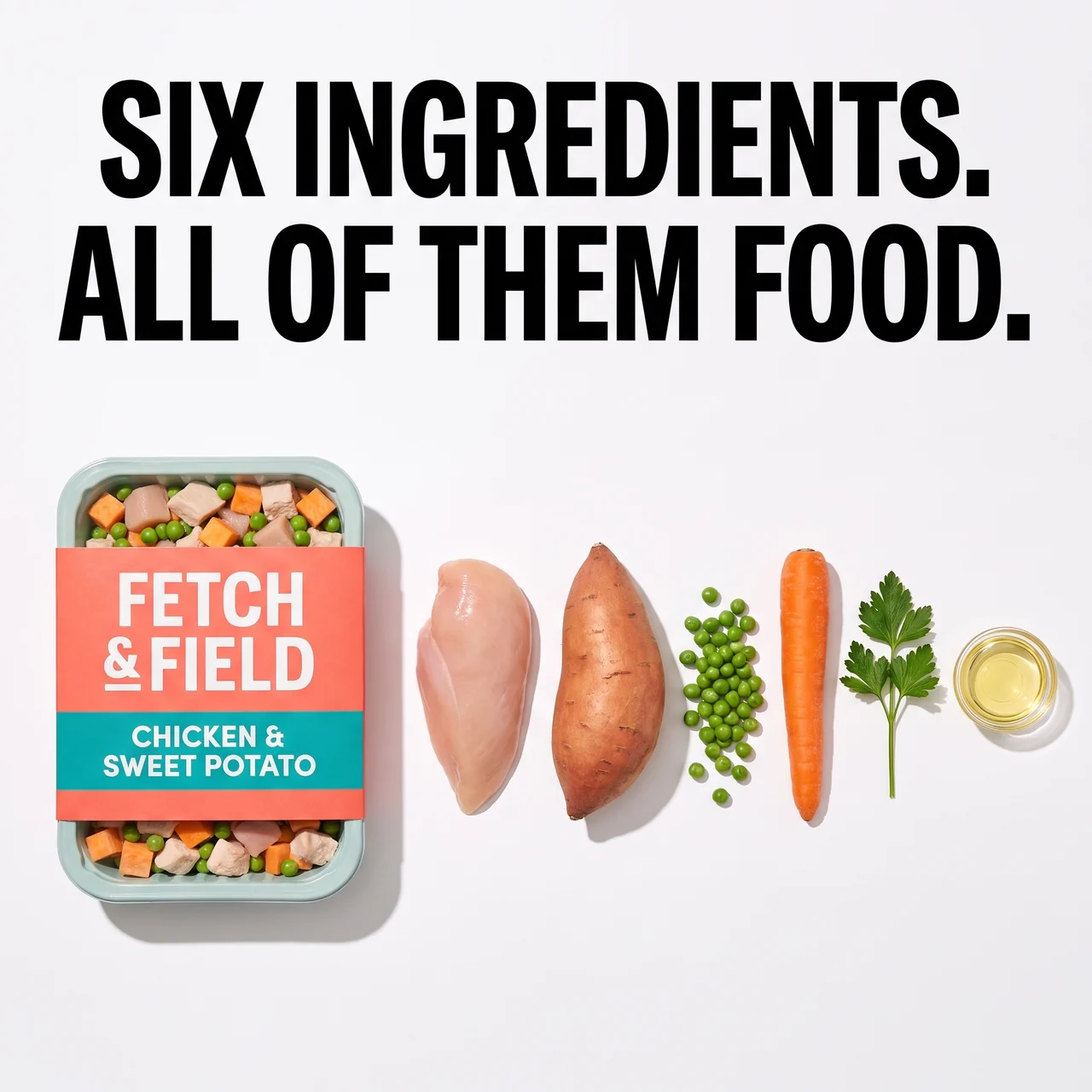
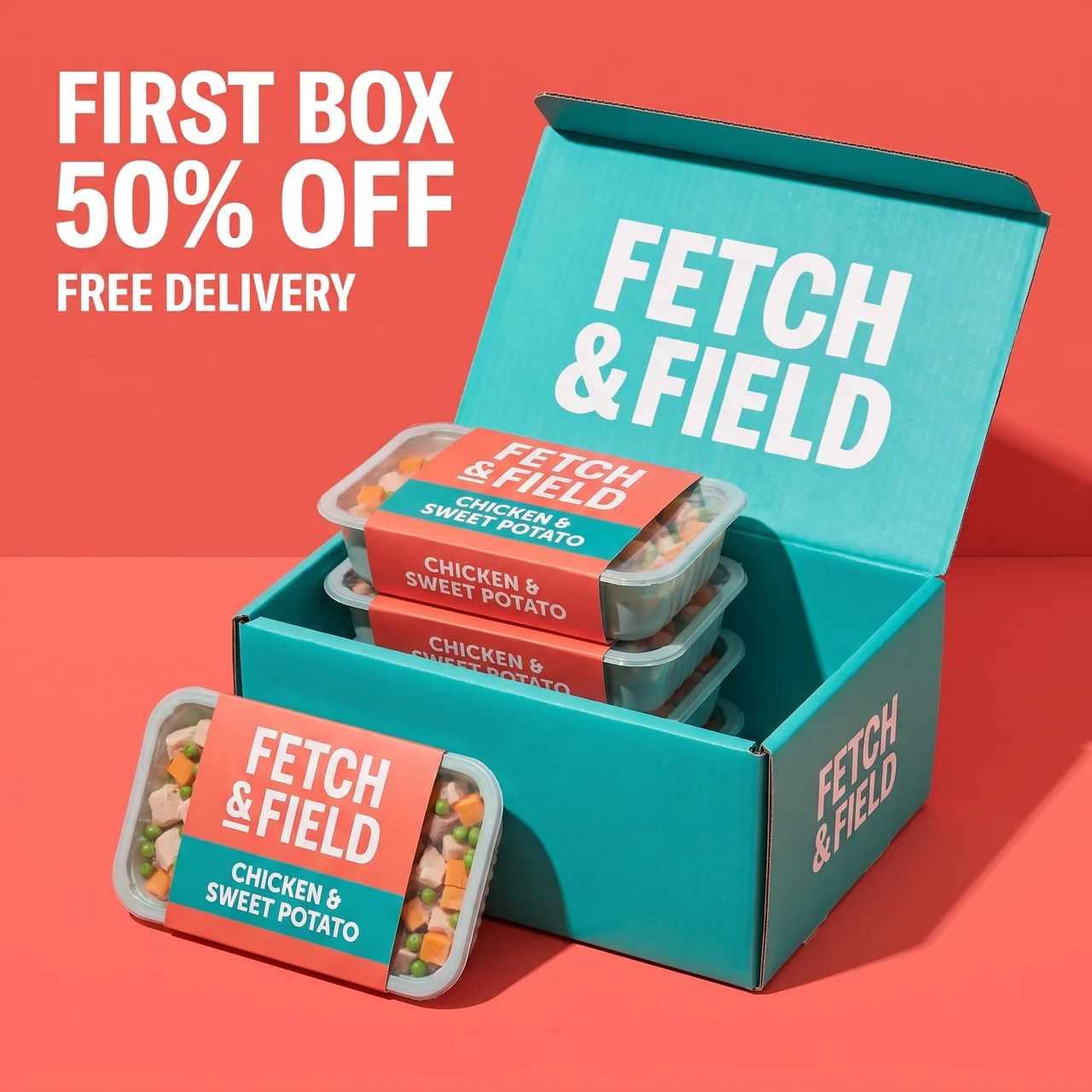
6 costlier ads paused
Budget on the winner0%
0%cost per sale
DThe ad that finds Dana
2Higher conversion rate
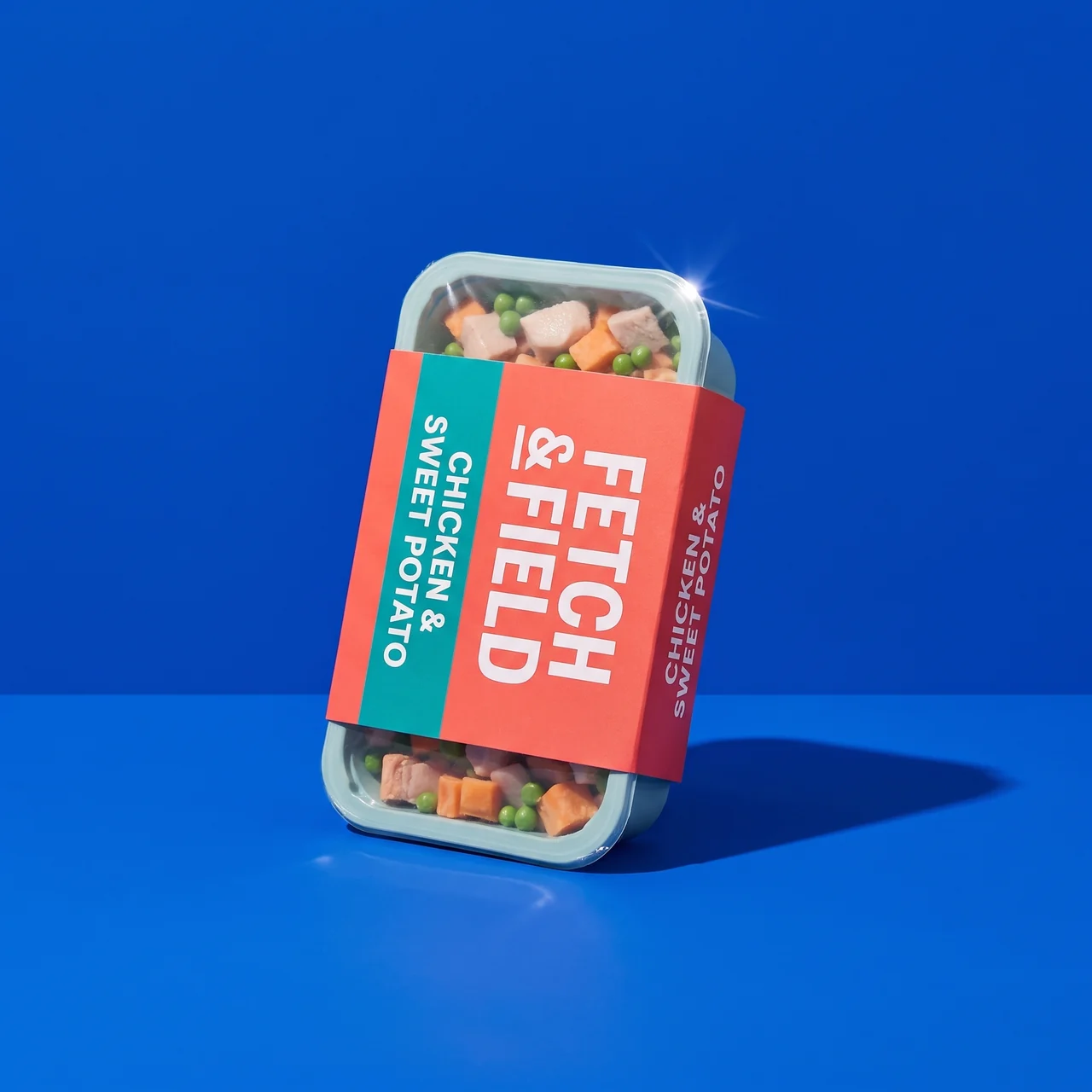
2:14 PM · HowIt sends her to the matching page
3 versions tested · best one wins
The ad she tapped
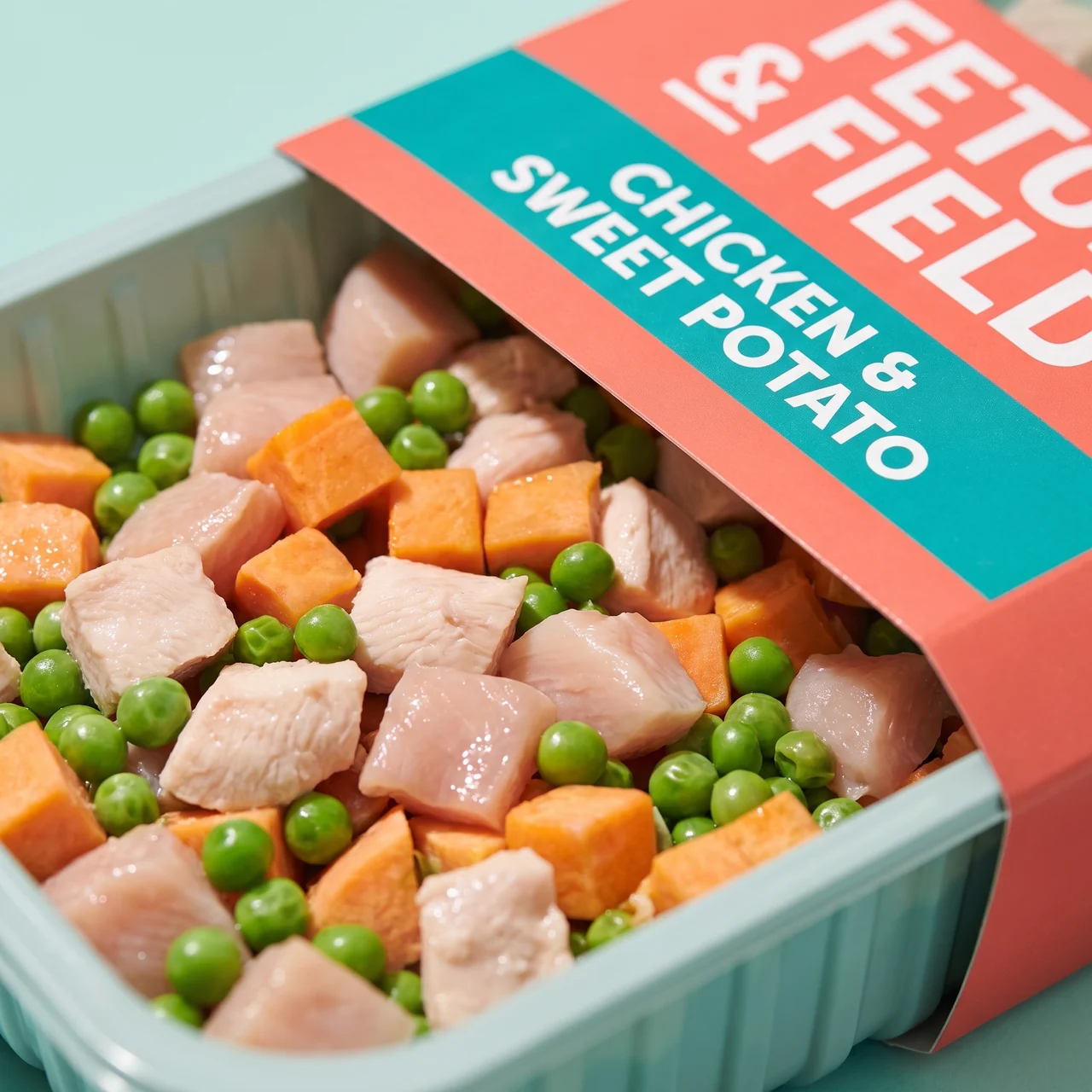
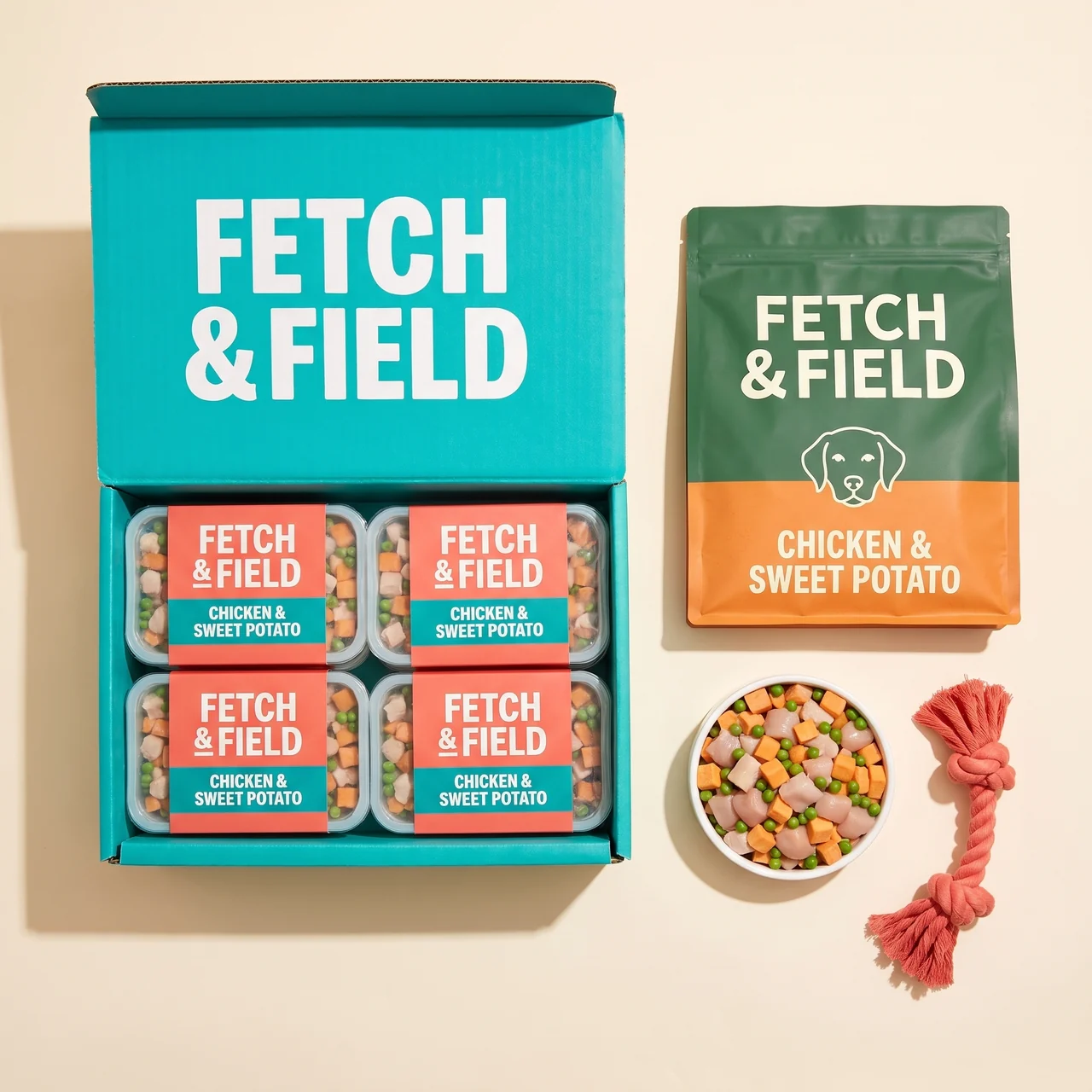 Same promise as her ad
$24 per order, not
$31
Higher conversion rateThe ad she tapped
Version A · What is in it
Fresh food. Six ingredients.
cost per order$31
Version B · Matched to her ad
Fresh food a picky eater will finish.
cost per order$24
Version C · The deal
Her first box, half price.
cost per order$29
Matched to the ad she tapped
Fresh food a picky eater will actually finish.
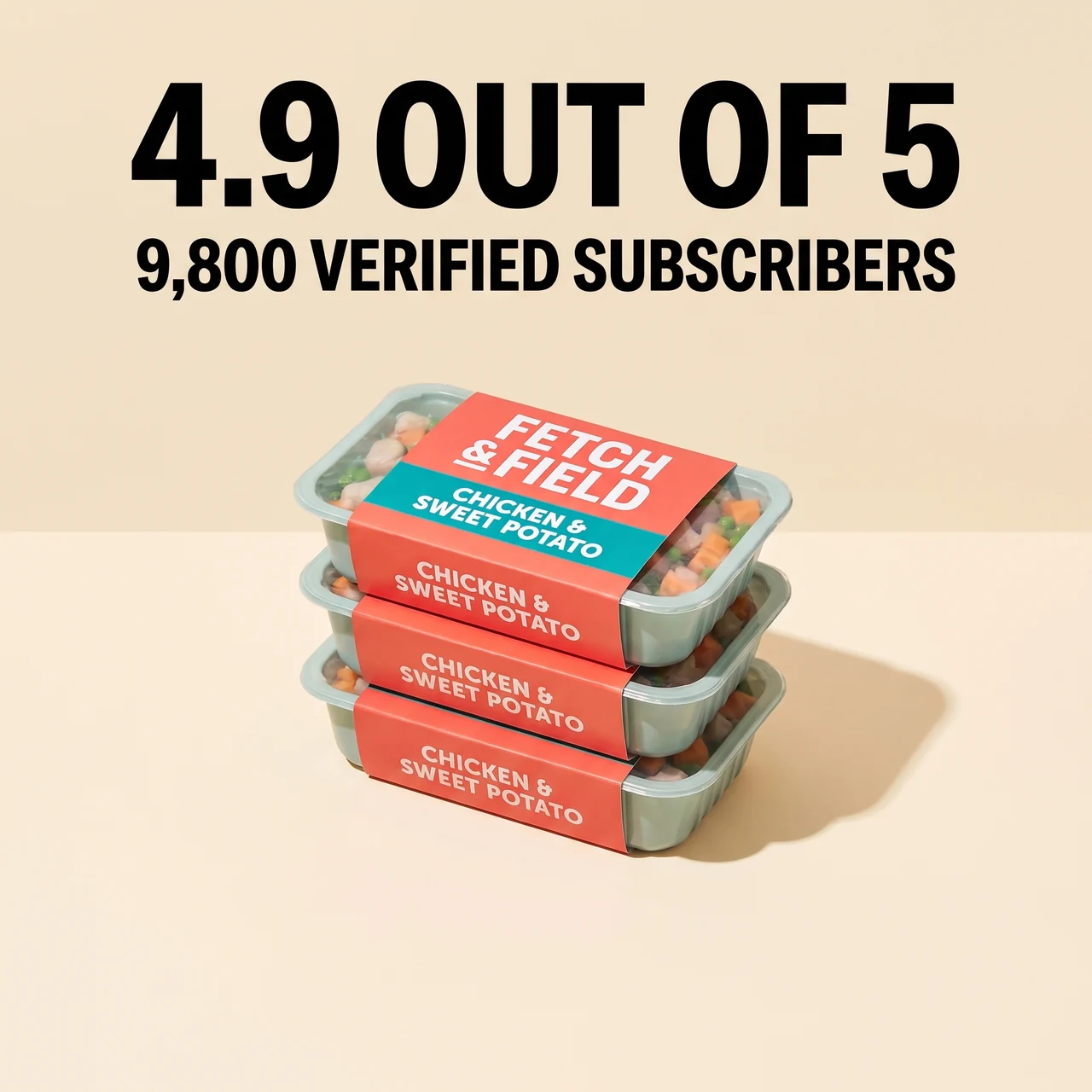
- Made for picky eaters. 9,800 owners switched.
- Portioned for her dog. Sized to its weight.
$24$48first box
Start her first boxFirst box started
3Lower bounce rate
2:15 PM · HowIt answers her doubt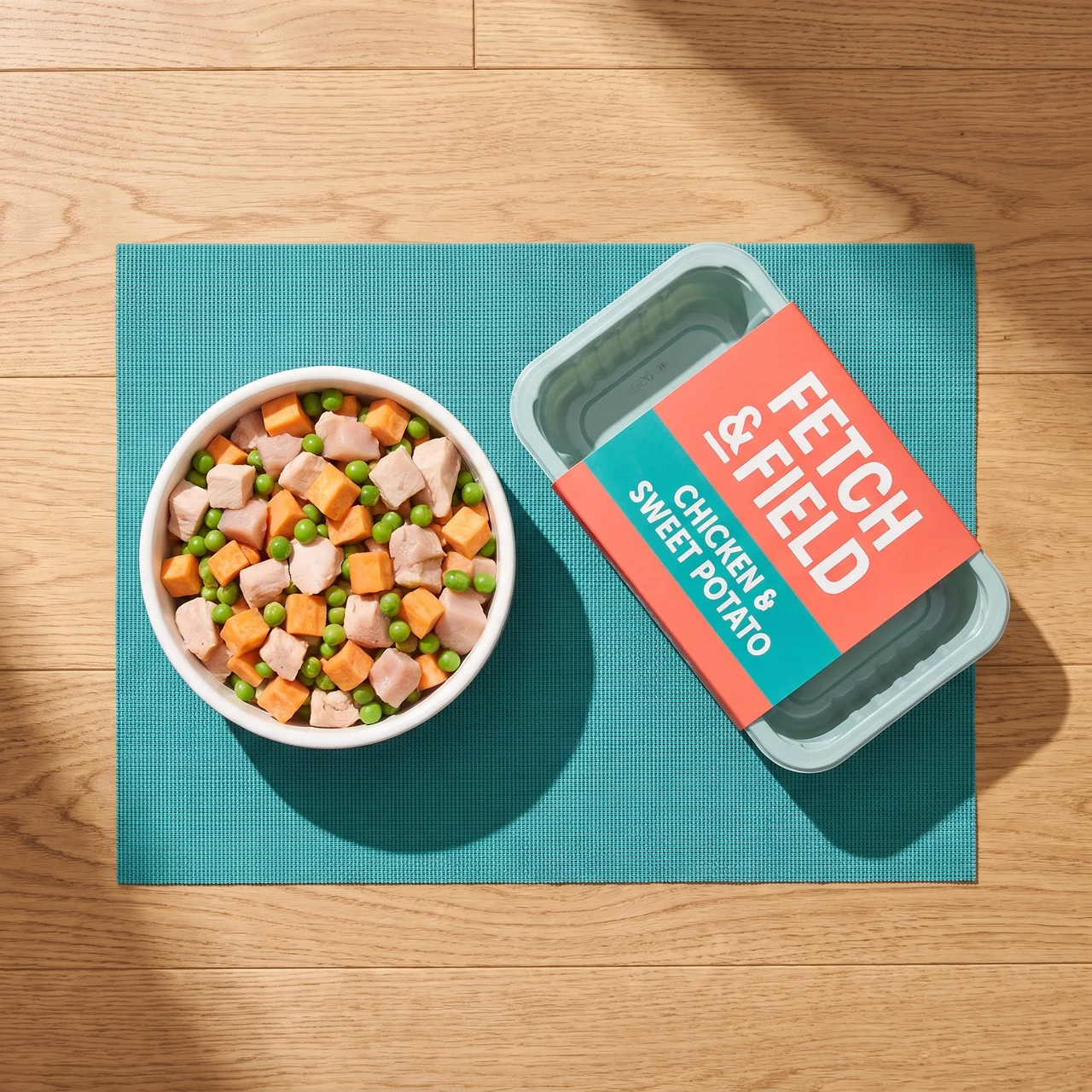 Picky eaterOlder dog
 Sensitive stomach
 Lose a little
My dog Maple is a picky eater. Will she actually eat this?
A normal pageNo answer, so she bounces
Bounce
The system answers her right there
She staysIt knows the productReal chicken
Gently cooked
Refunded if Maple will not eat it
If a visitor still leaves
Lower bounce rateAnother visitorleaves the page
Bounced
Abandon audiencesaved for retargeting
Later · retargeting adStill deciding? Refunded if your dog will not eat it.
Still deciding? Refunded if your dog will not eat it.Won backback on the page
4Bigger orders
2:17 PM · HowIt suggests the add‑onTry it first$24
RecommendedFind her favorite$29
Set it and forget it$86
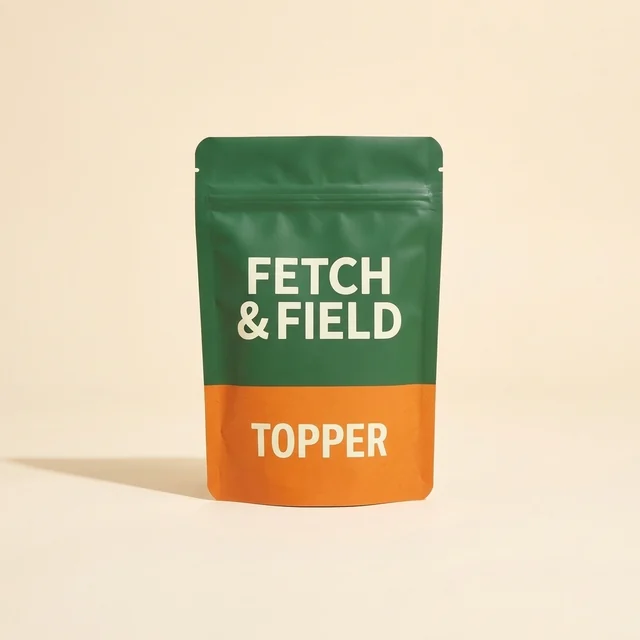 Picky eater topper+ $6
Suggested for a picky eater
Order value$24
+25%
5Higher lifetime value
2:19 PM · HowIt follows up- Emaildana.reyes@gmail.com
Picky Eater Starter + topper
Paid$30
On the page4m 51s
Ordered5 minutesno form
2 days later
The system follows up
How does Maple like it?
Subscribeda box every 2 weeks
One order becomes many#2#3#4#5
#2#3#4#5Every customer teaches the system
After 2:19 PM · WhyIt gets better with every customer
Find
Costs less to find
Her question
Will she actually eat this?
The next ad“Will your picky eater actually eat it?”
Convert
More visitors convert
Her path
More of the traffic
Retain
More customers stay
What she keptTopperSubscription
TopperSubscriptionThe advisor’s next suggestion
For a picky eater: add the topper, and subscribe.
Every customermakes the next one
Findcheaper to find
Converteasier to convert
Retainmore likely to stay
Every customer makes the next one
Cheaper to find
Easier to convert
More likely to stay
Find, convert and retain more customers.
And it gets better with every customer.
- Lower cost per sale
- Higher conversion rate
- Lower bounce rate
- Bigger orders
- Higher lifetime value
Your system asks for reduced motion, so this starts paused. Press play.
Five results, one customer, and why it gets better with every customer. It plays once on its own, or step through it with the dots. Everything below is the same system, held still so you can read it.