Paid social · Creative operations
This is how we run ads when we treat it as a system instead of a calendar. Read it as a diagram, not a deck.
Worked example: Aurelia, a made-up skincare brand. Every number is a plan setting, not a client result.
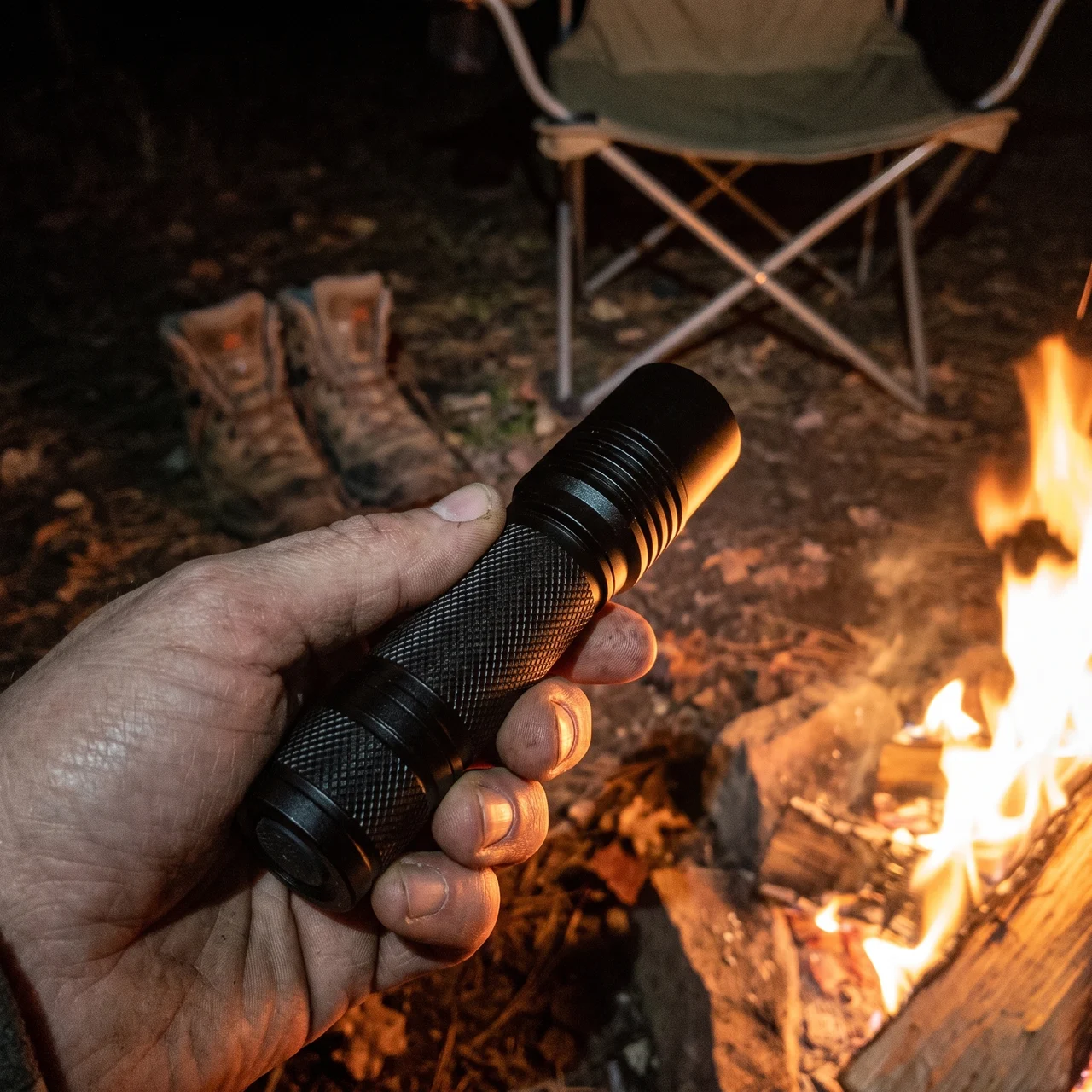
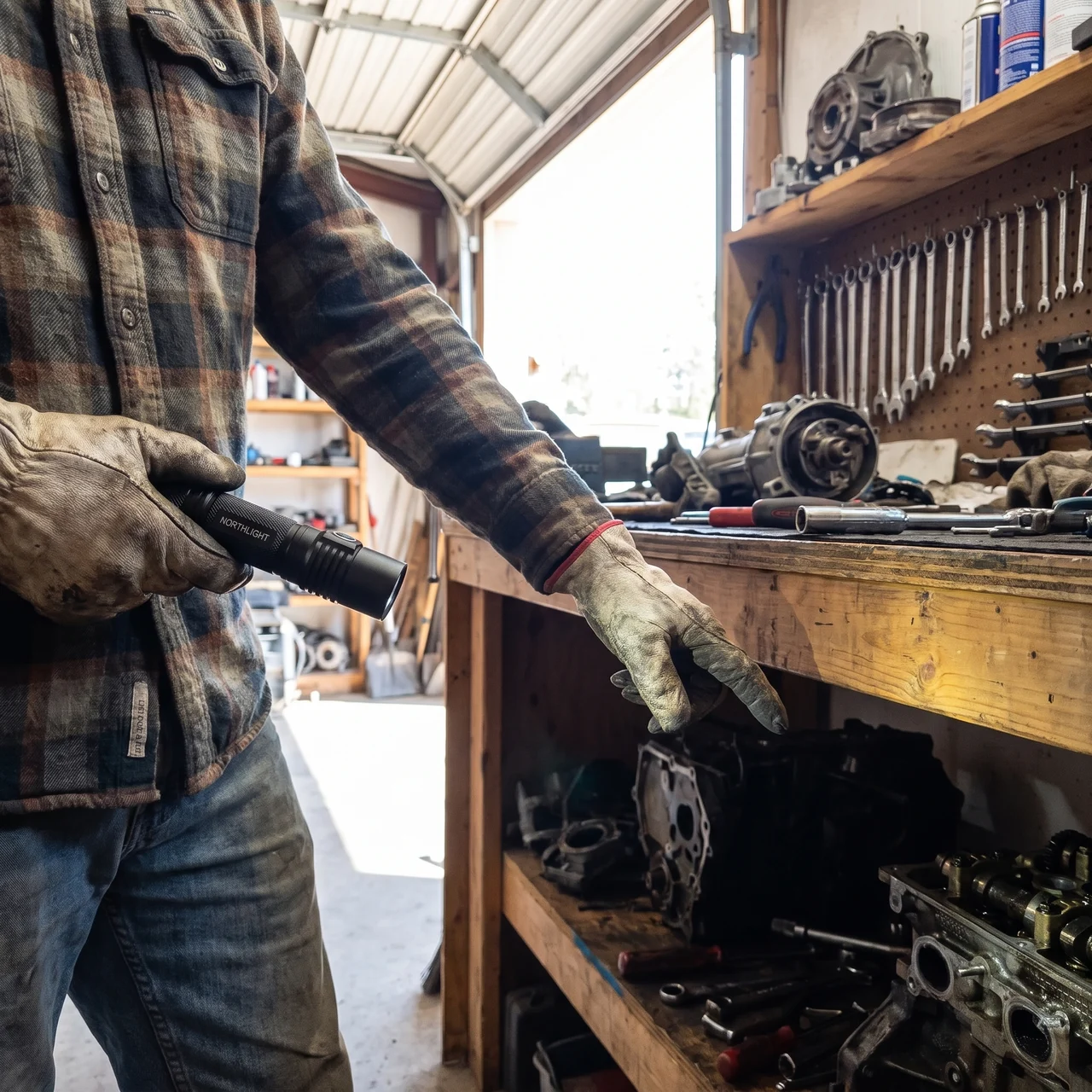
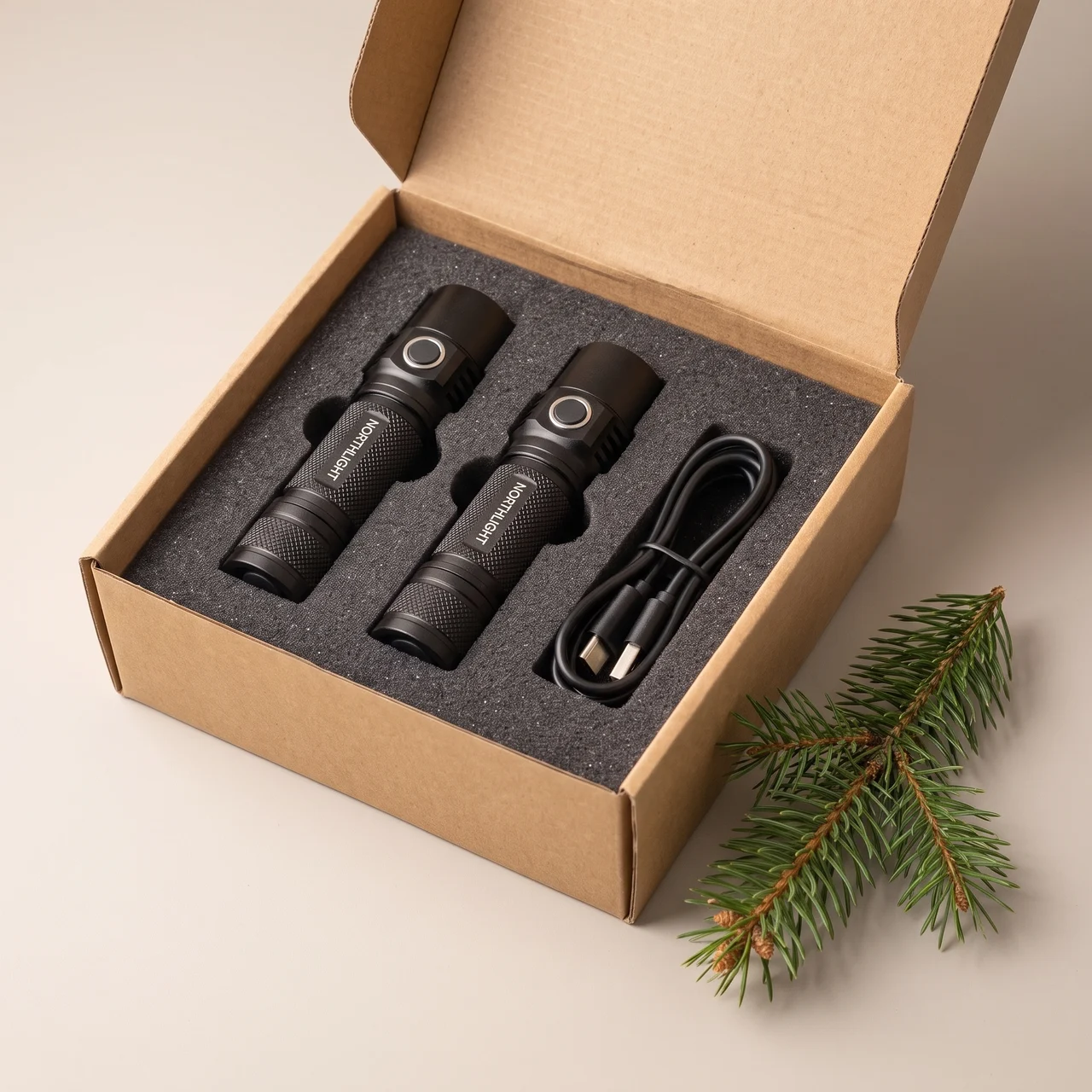
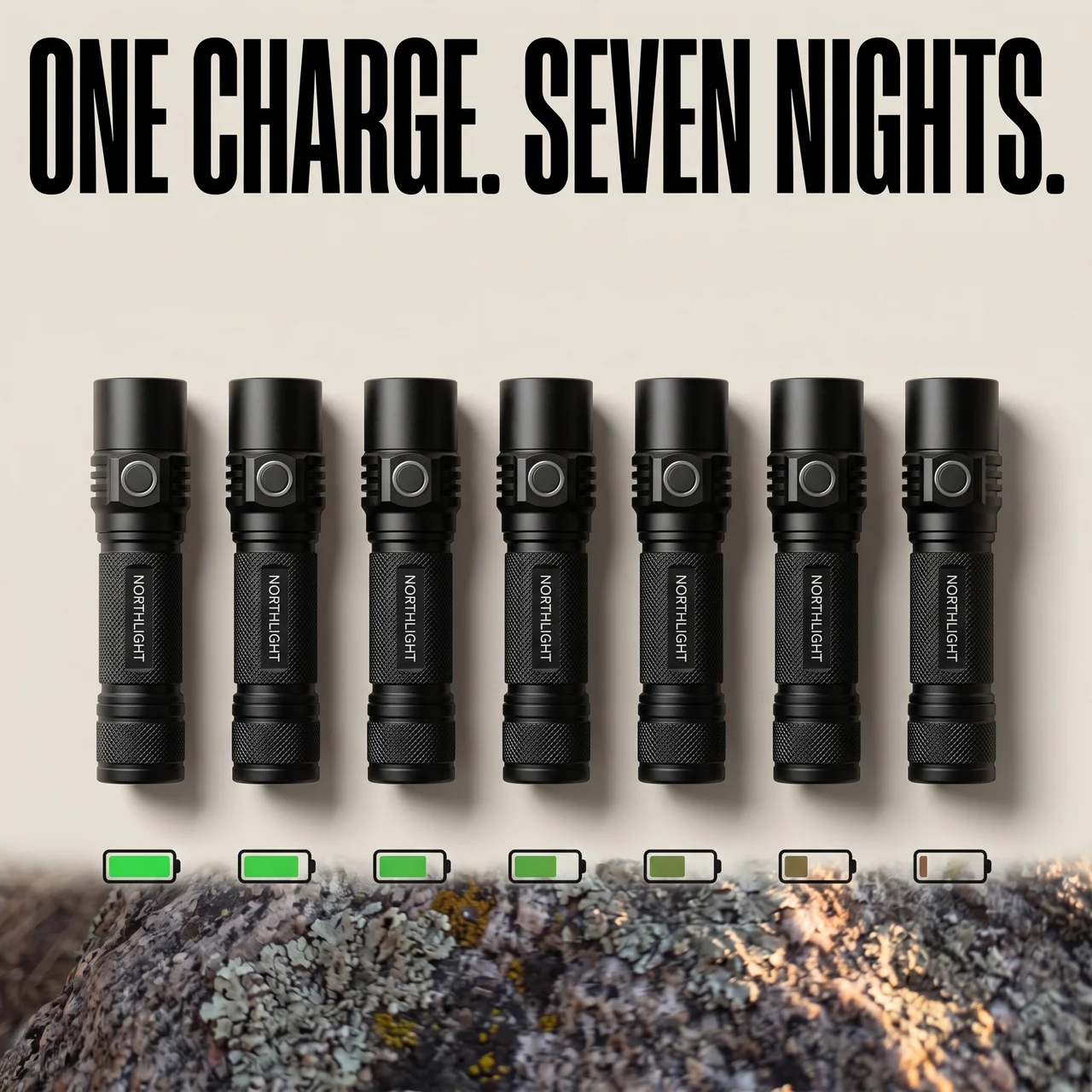
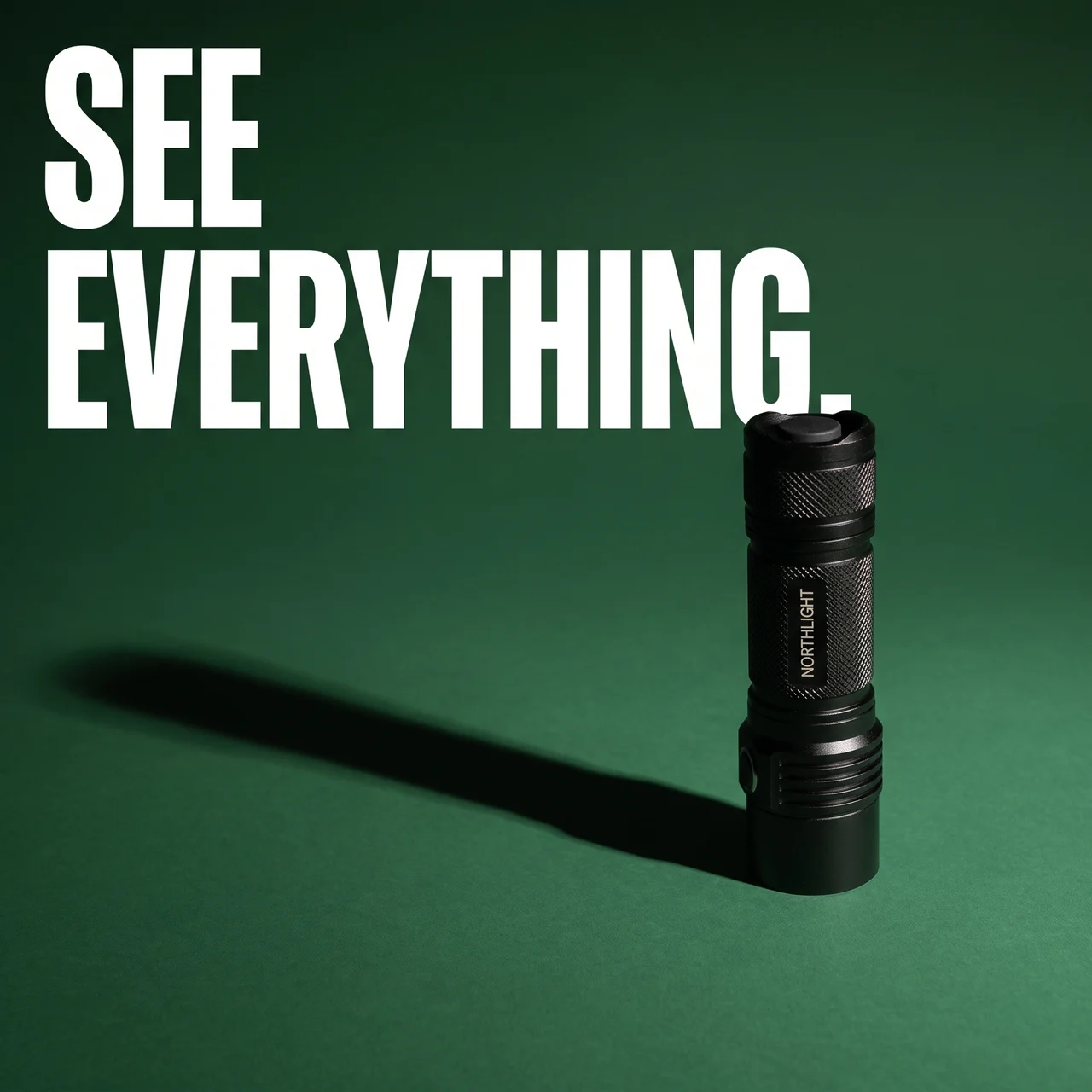
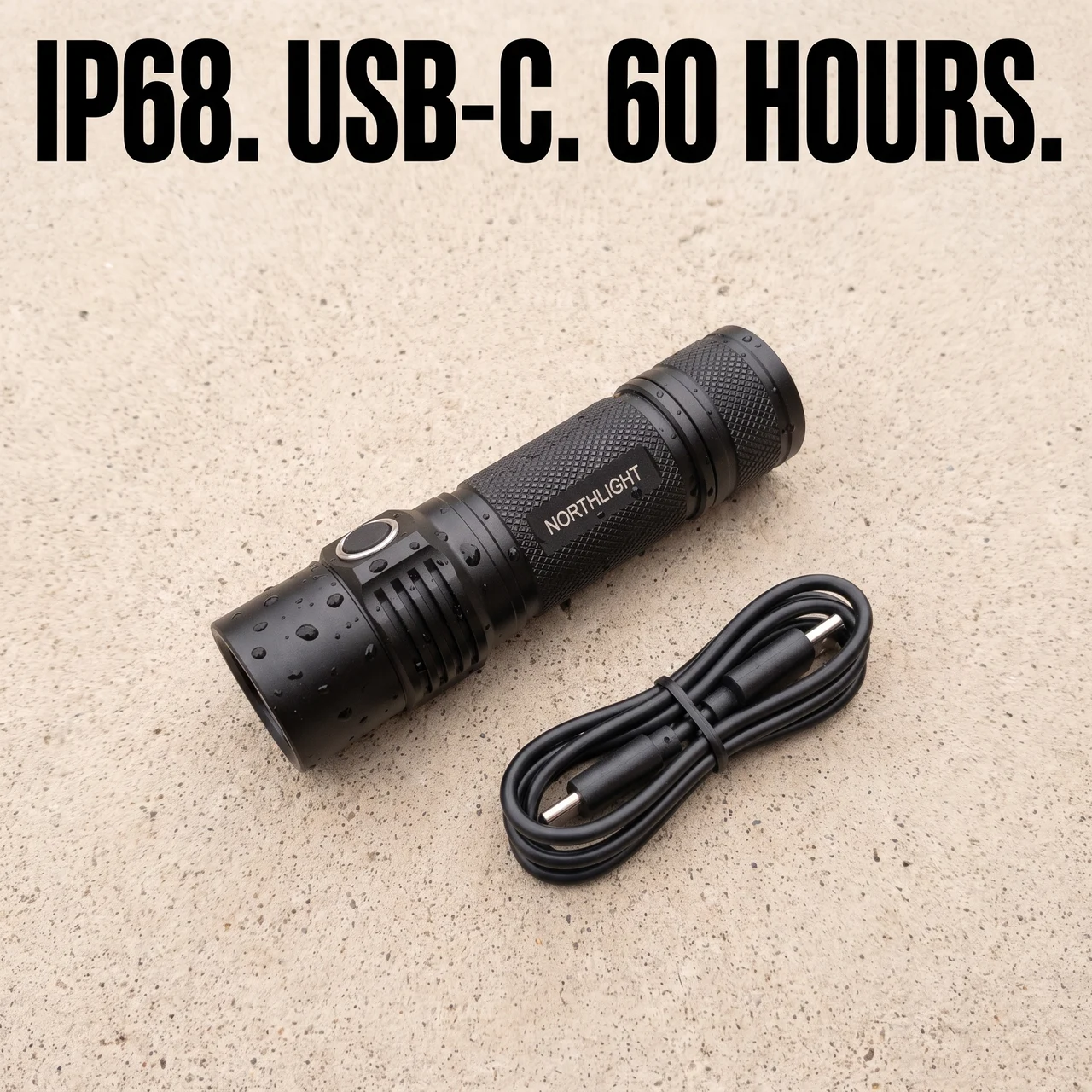
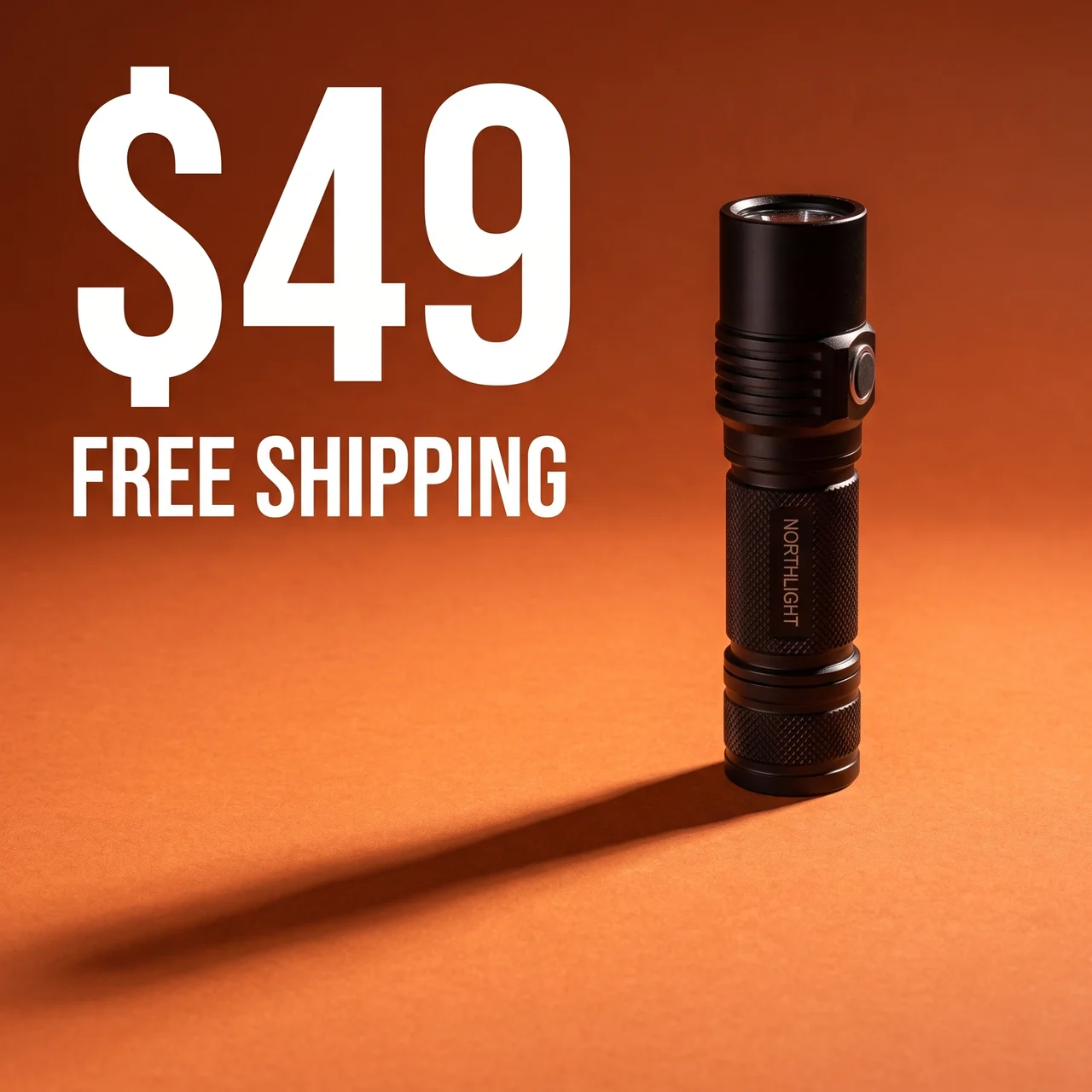
Worked example: Northlight, a made-up outdoor gear brand. Every number is a plan setting, not a client result.
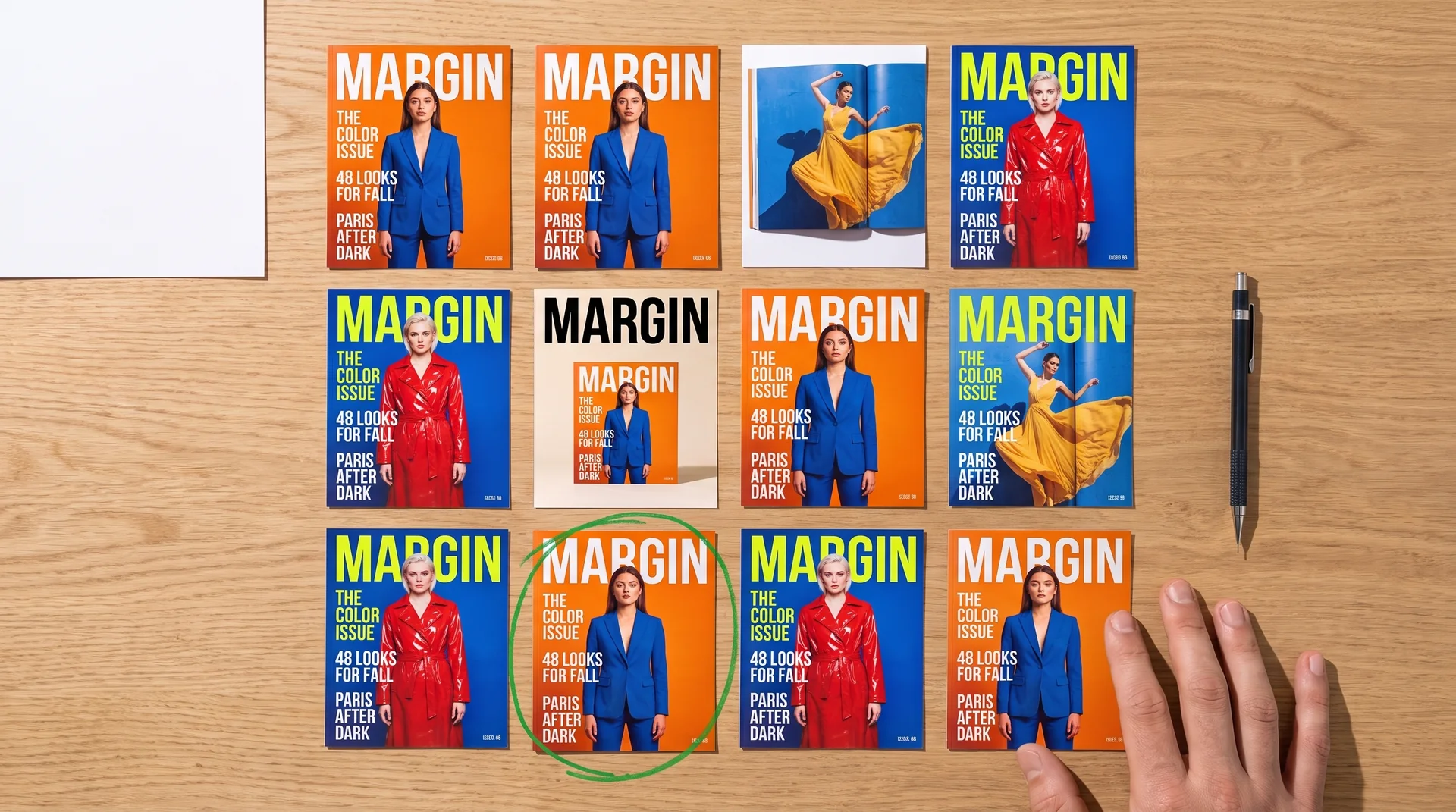
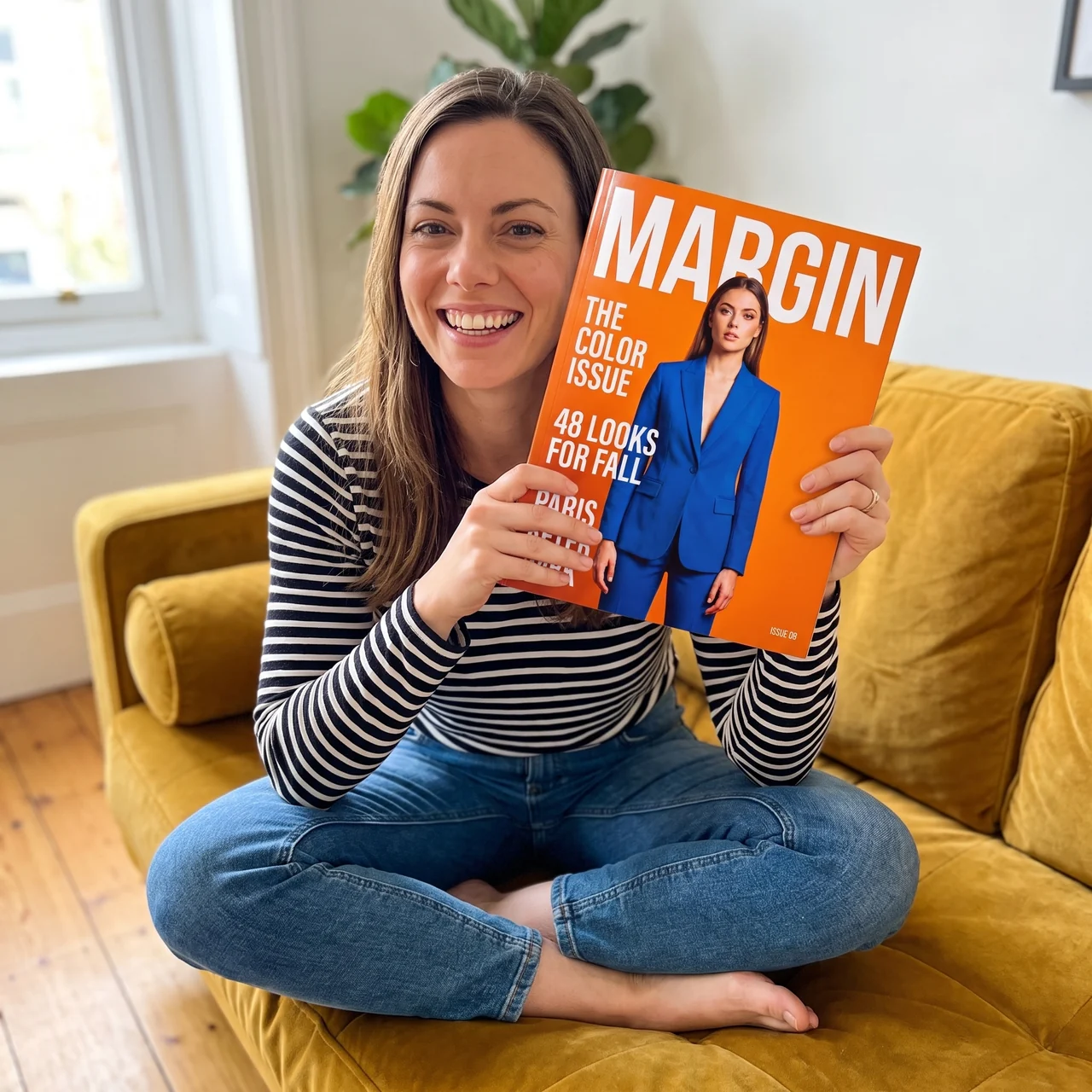
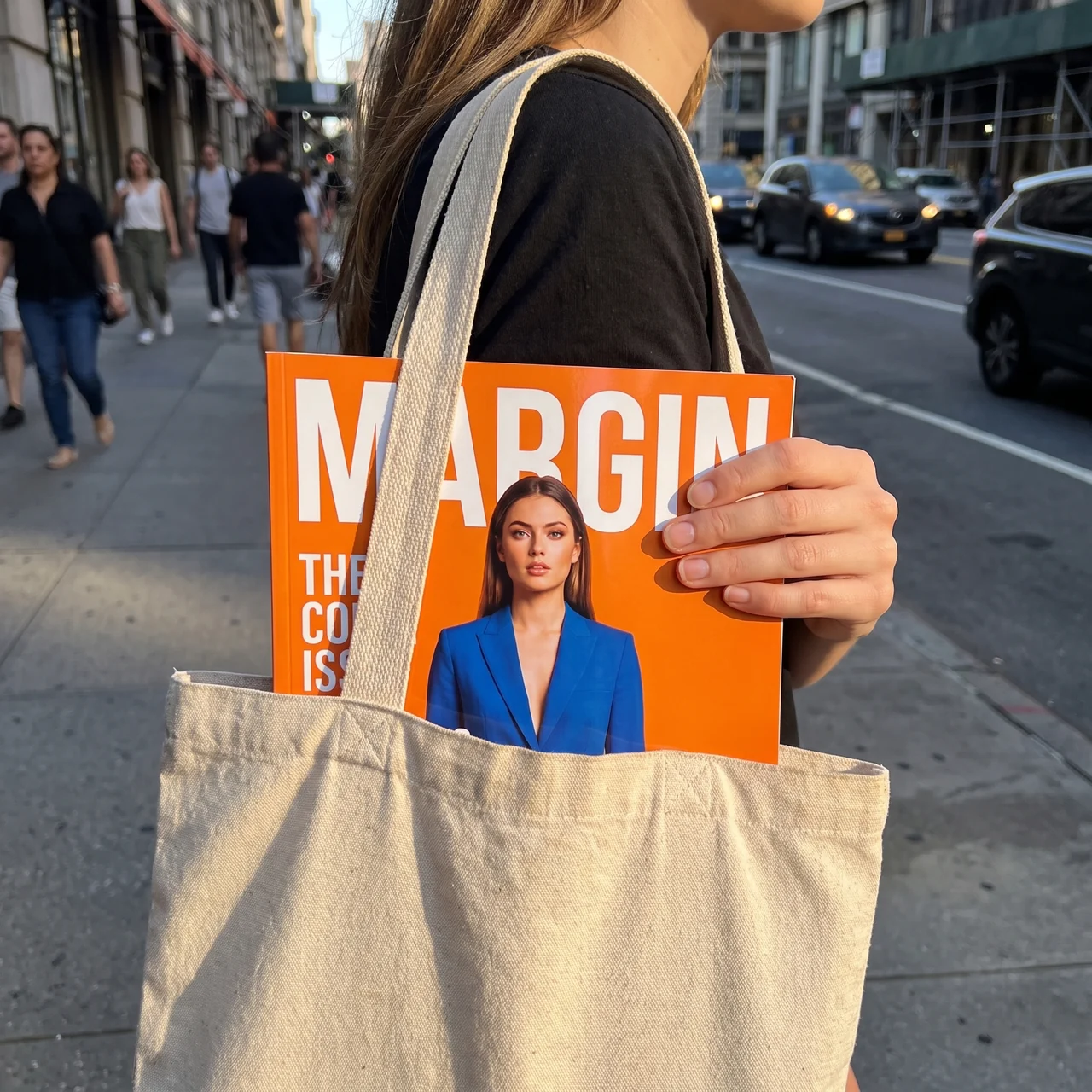
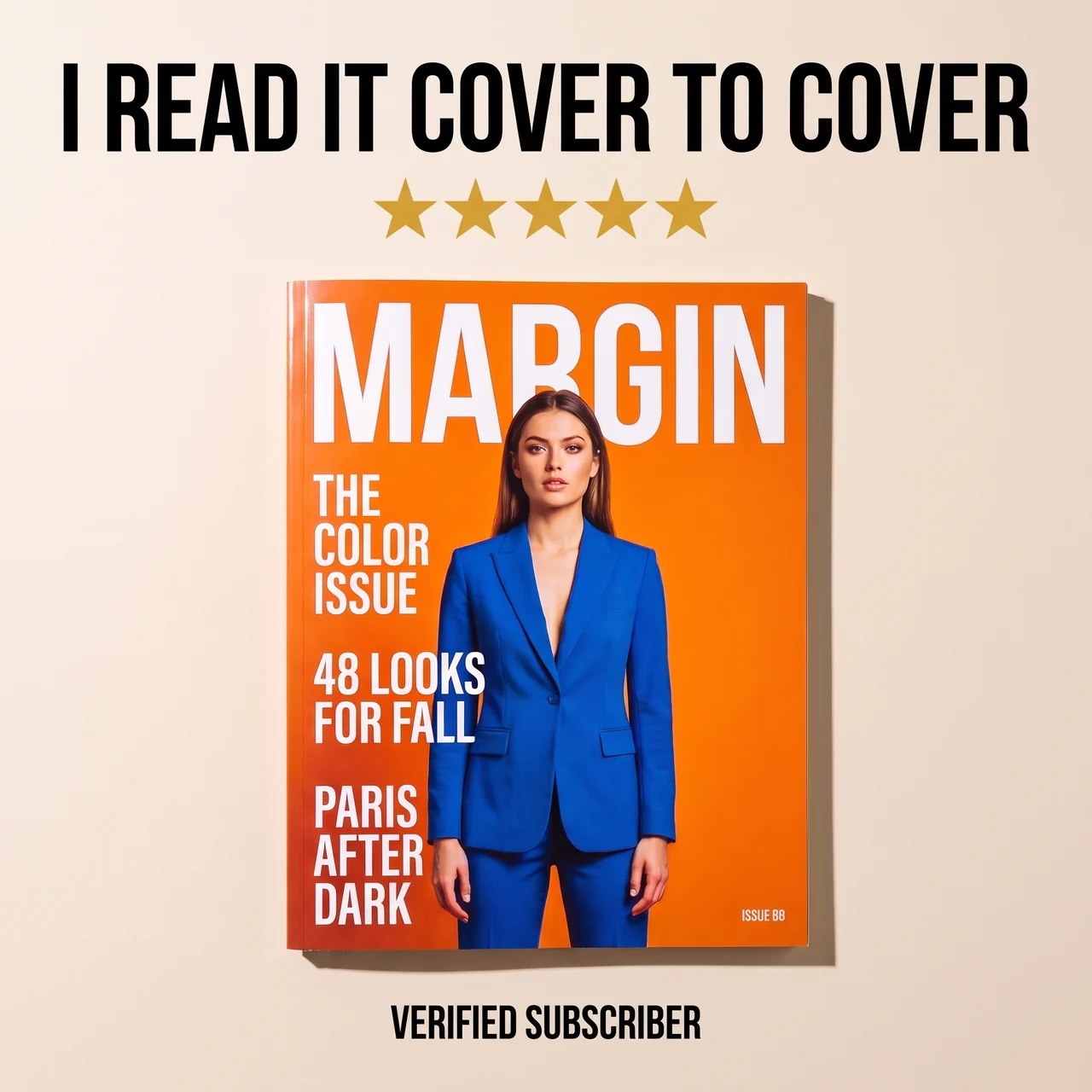
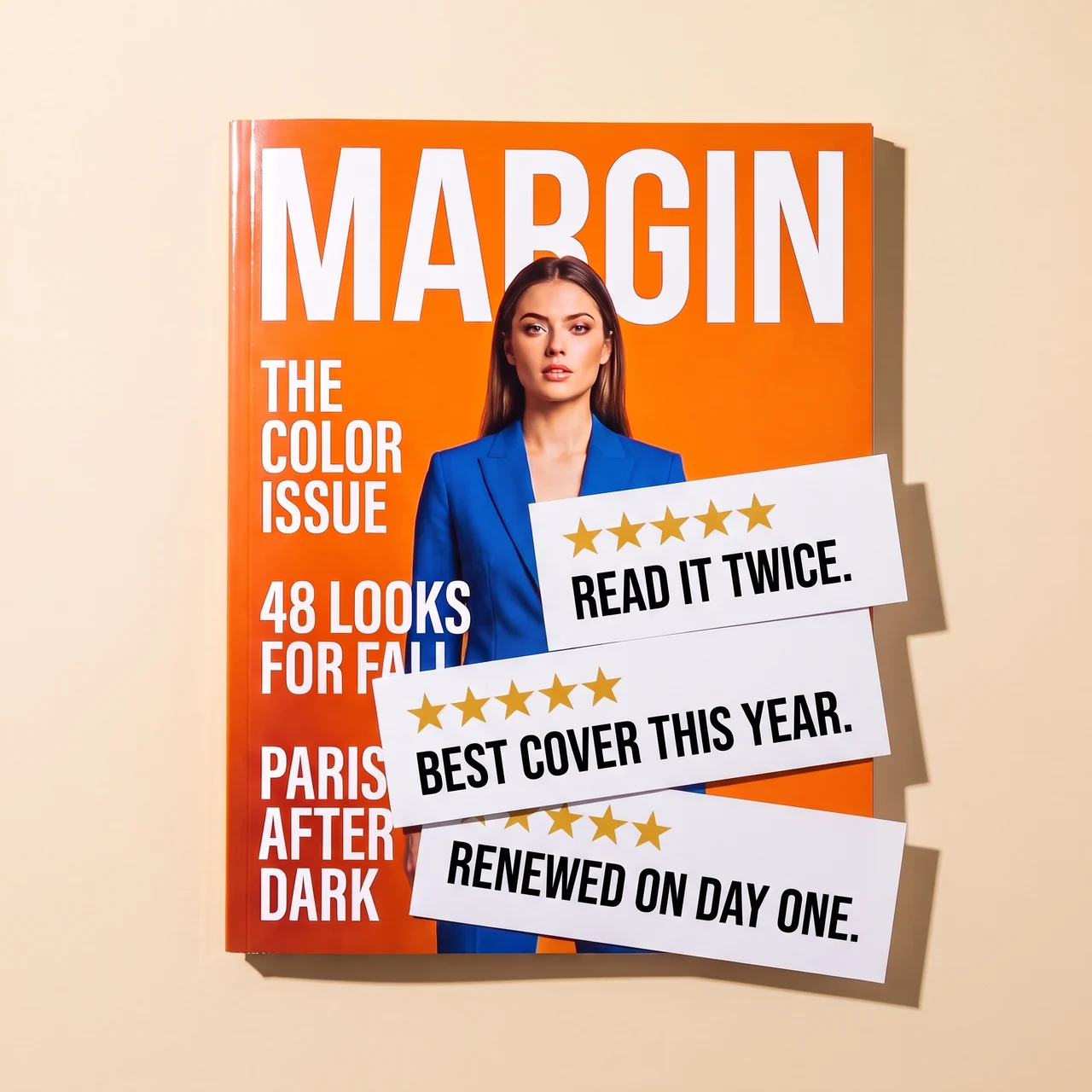
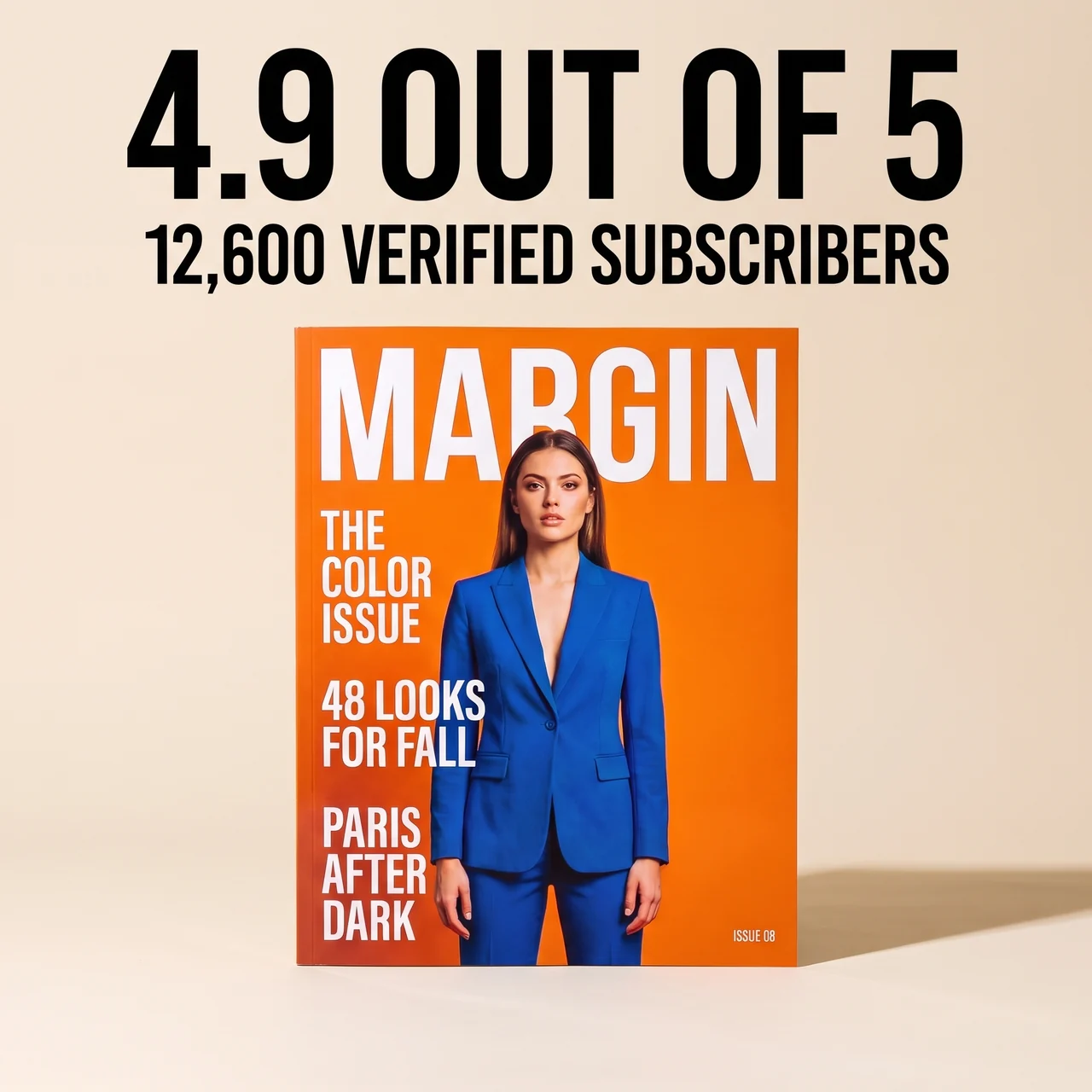
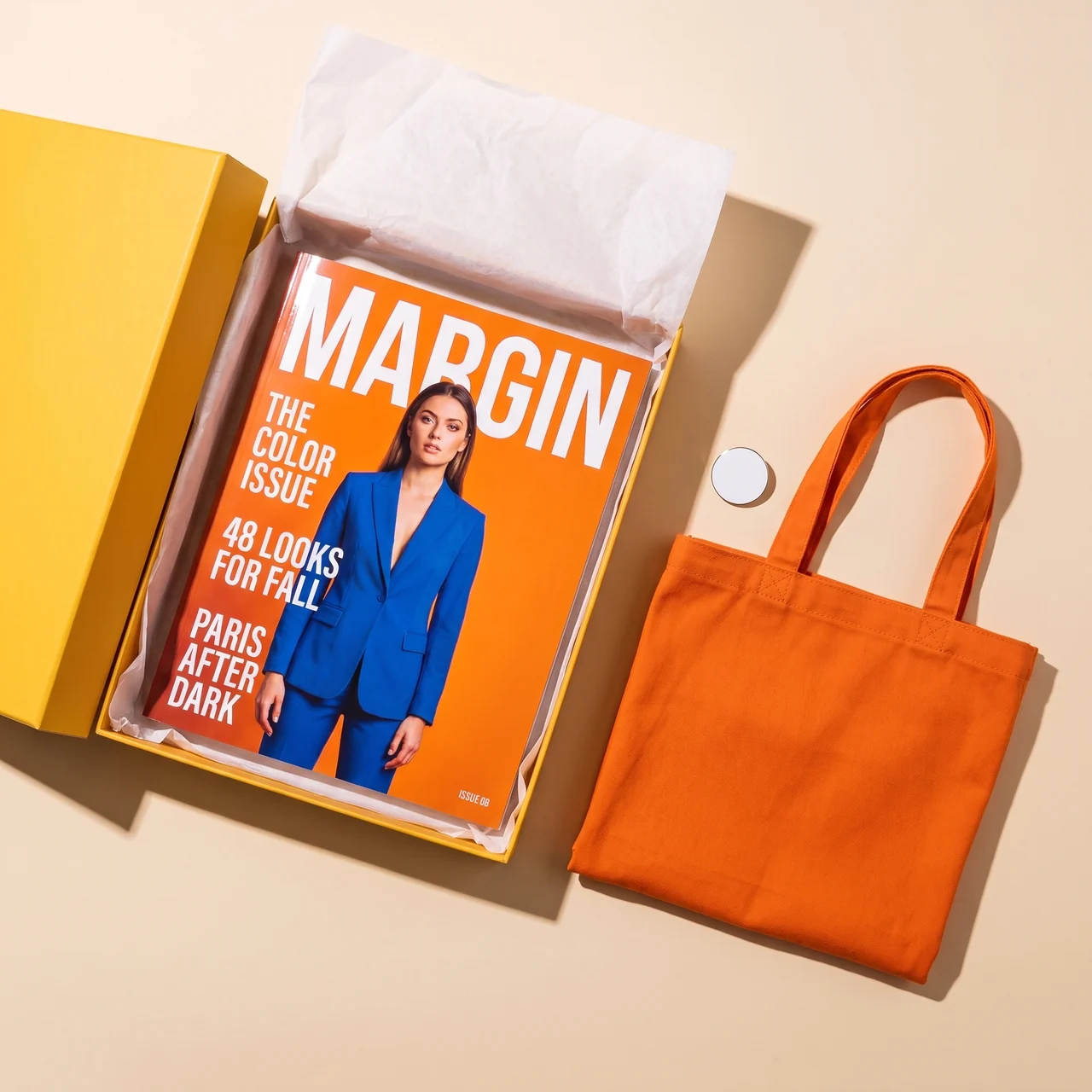
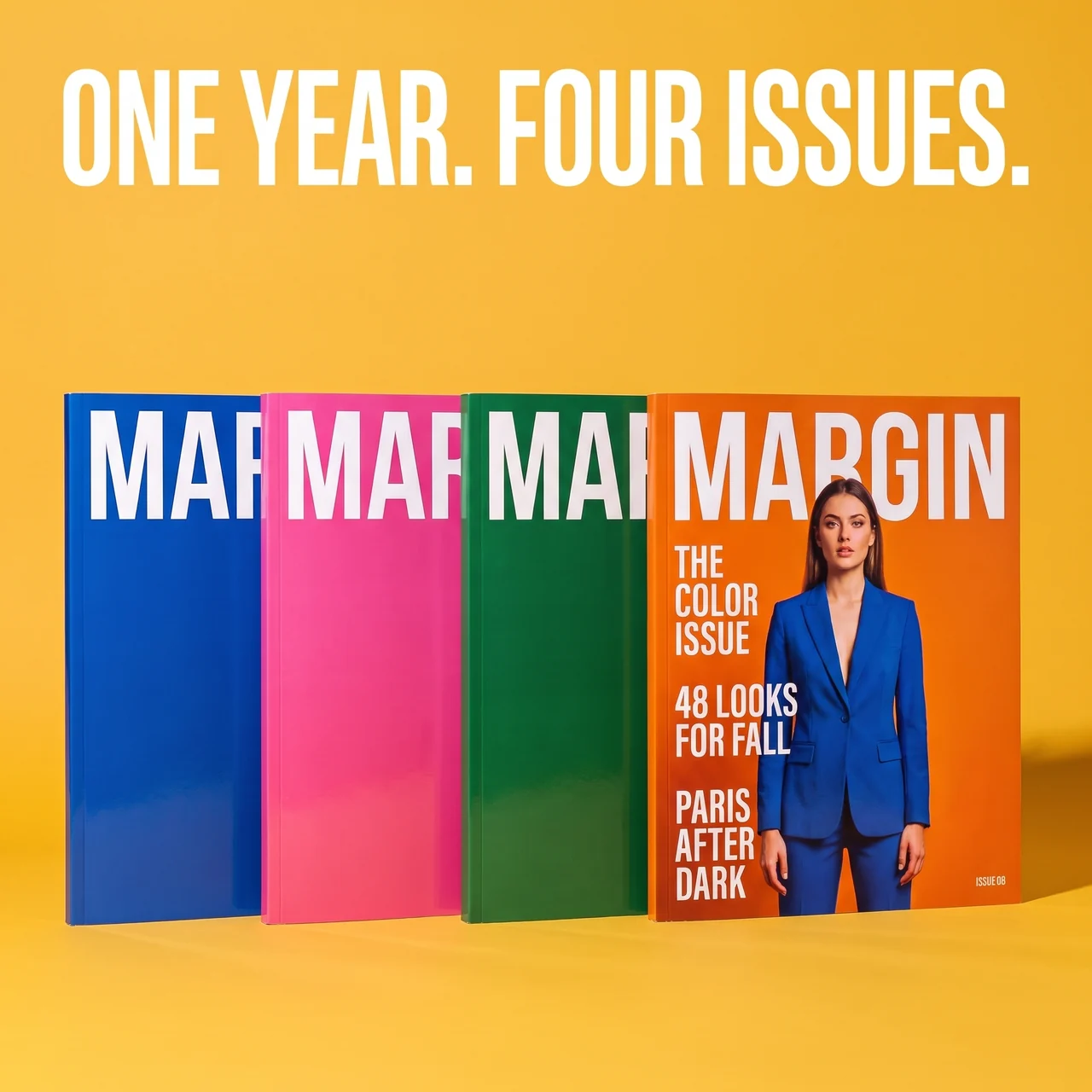
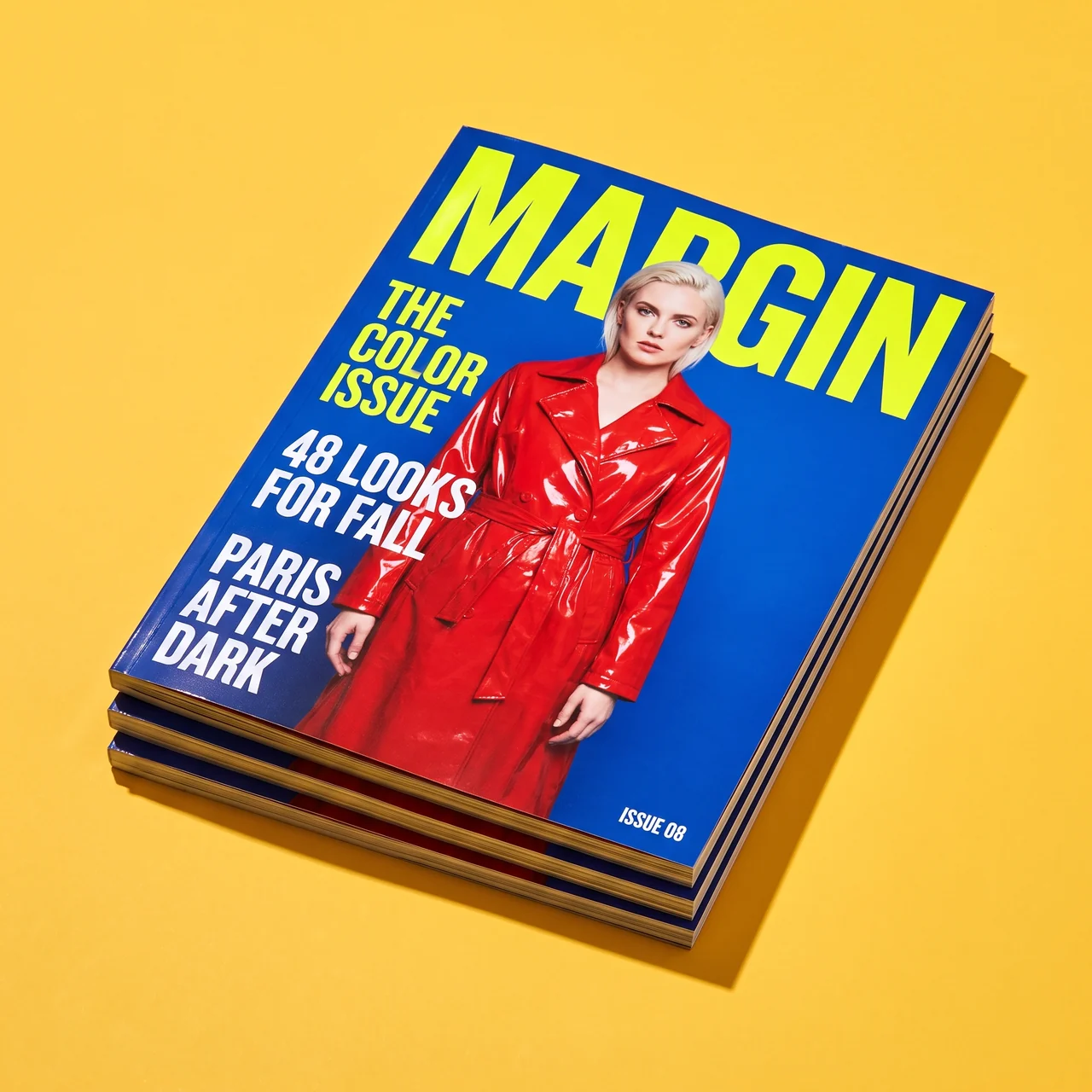
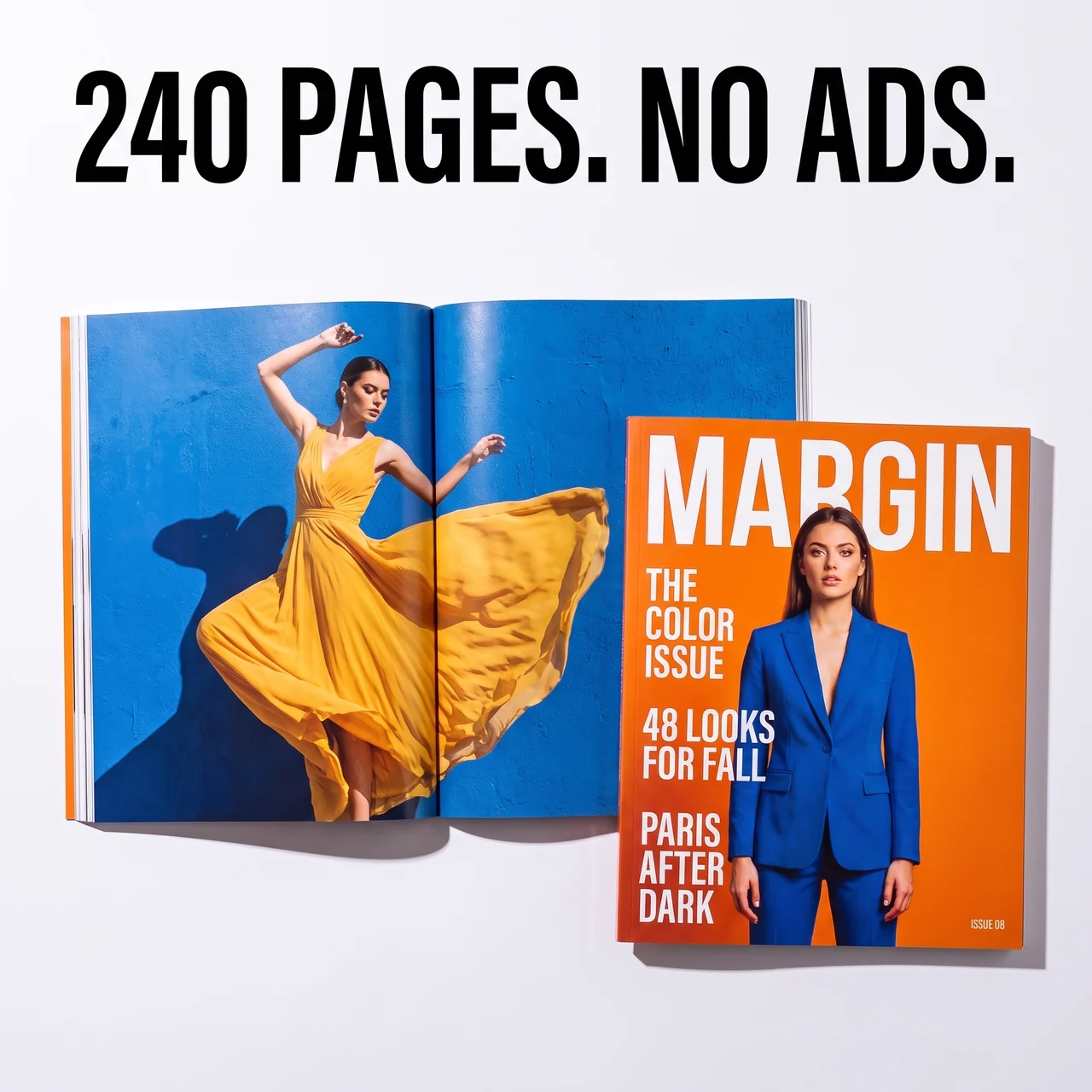
Worked example: Margin, a made-up fashion quarterly. Every number is a plan setting, not a client result.
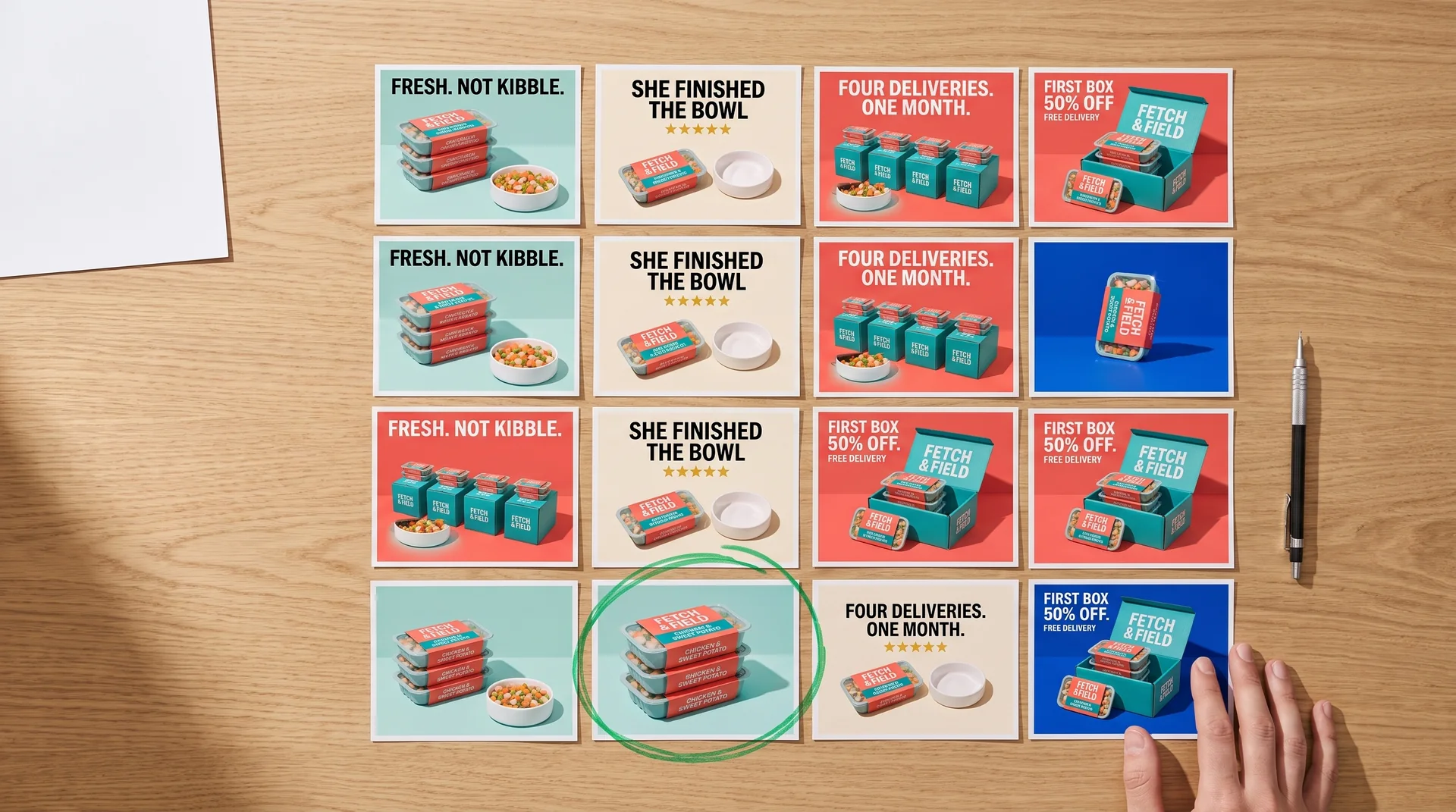
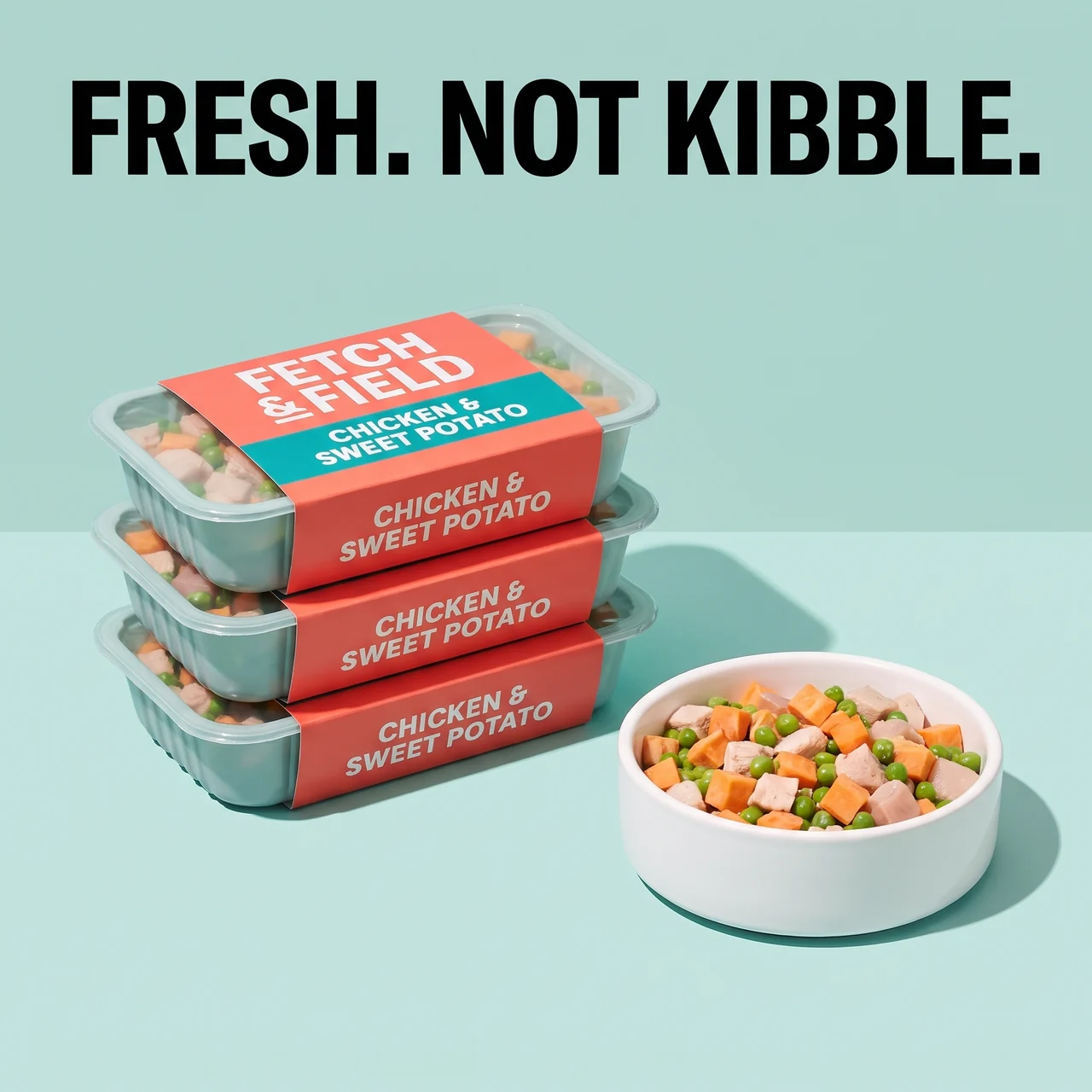
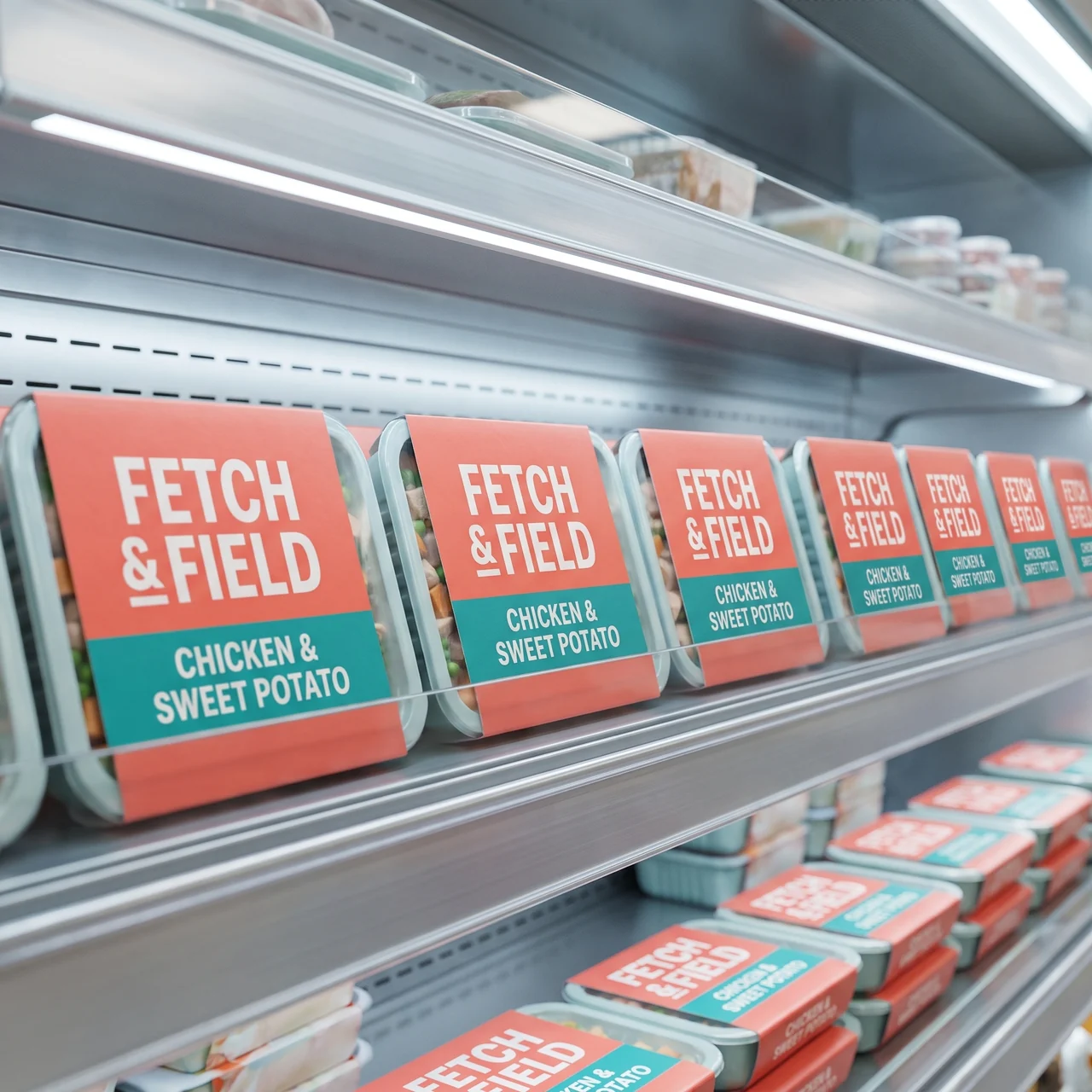
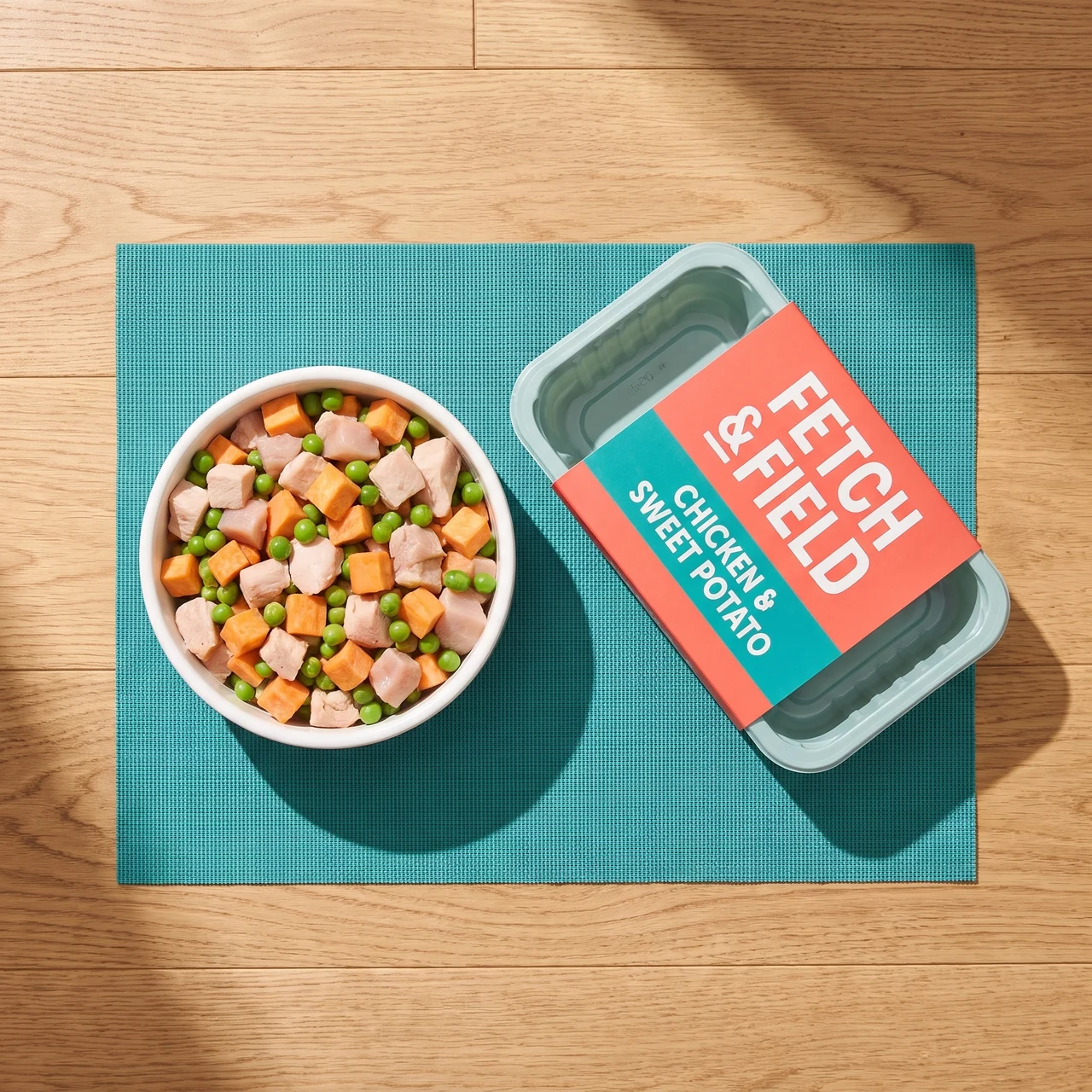
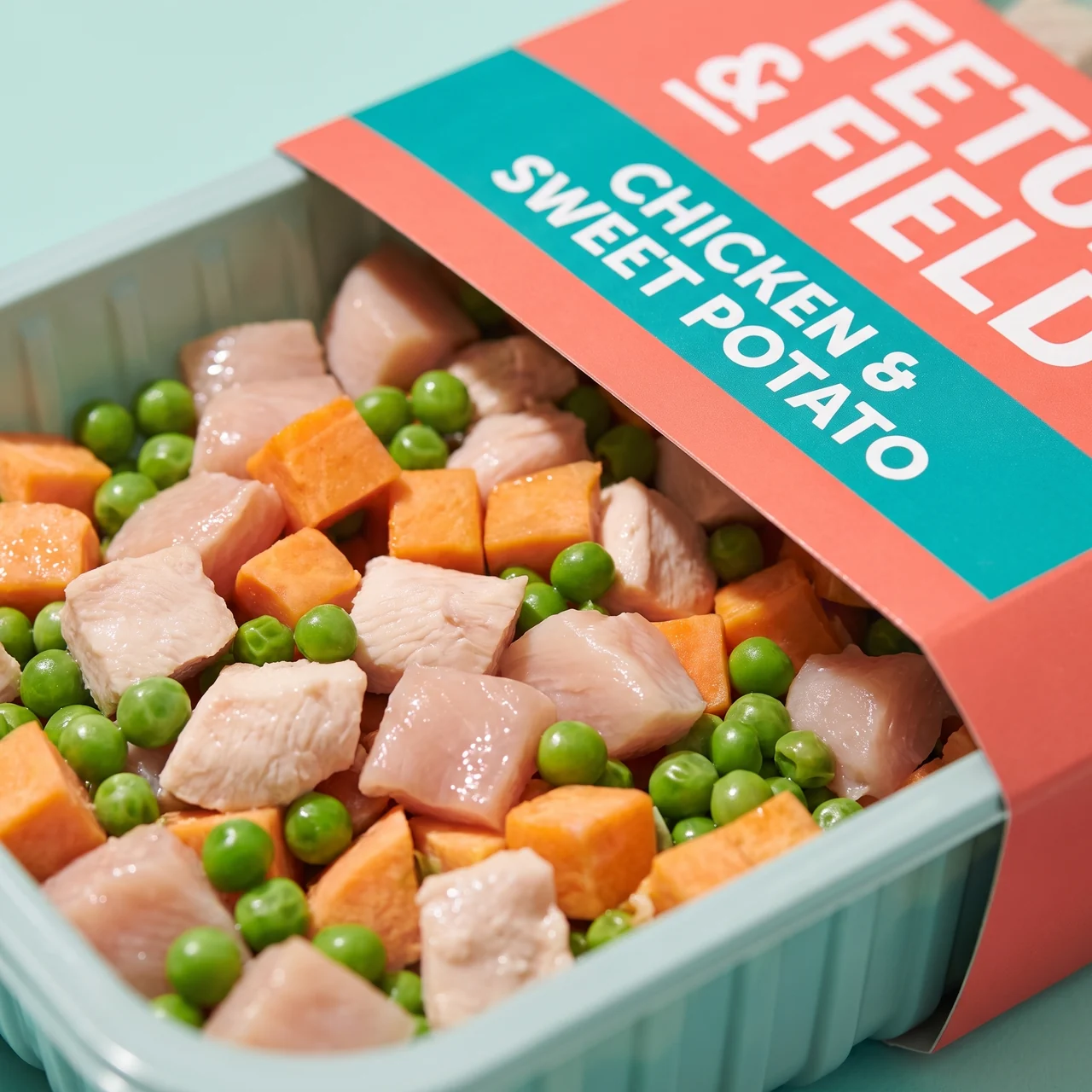
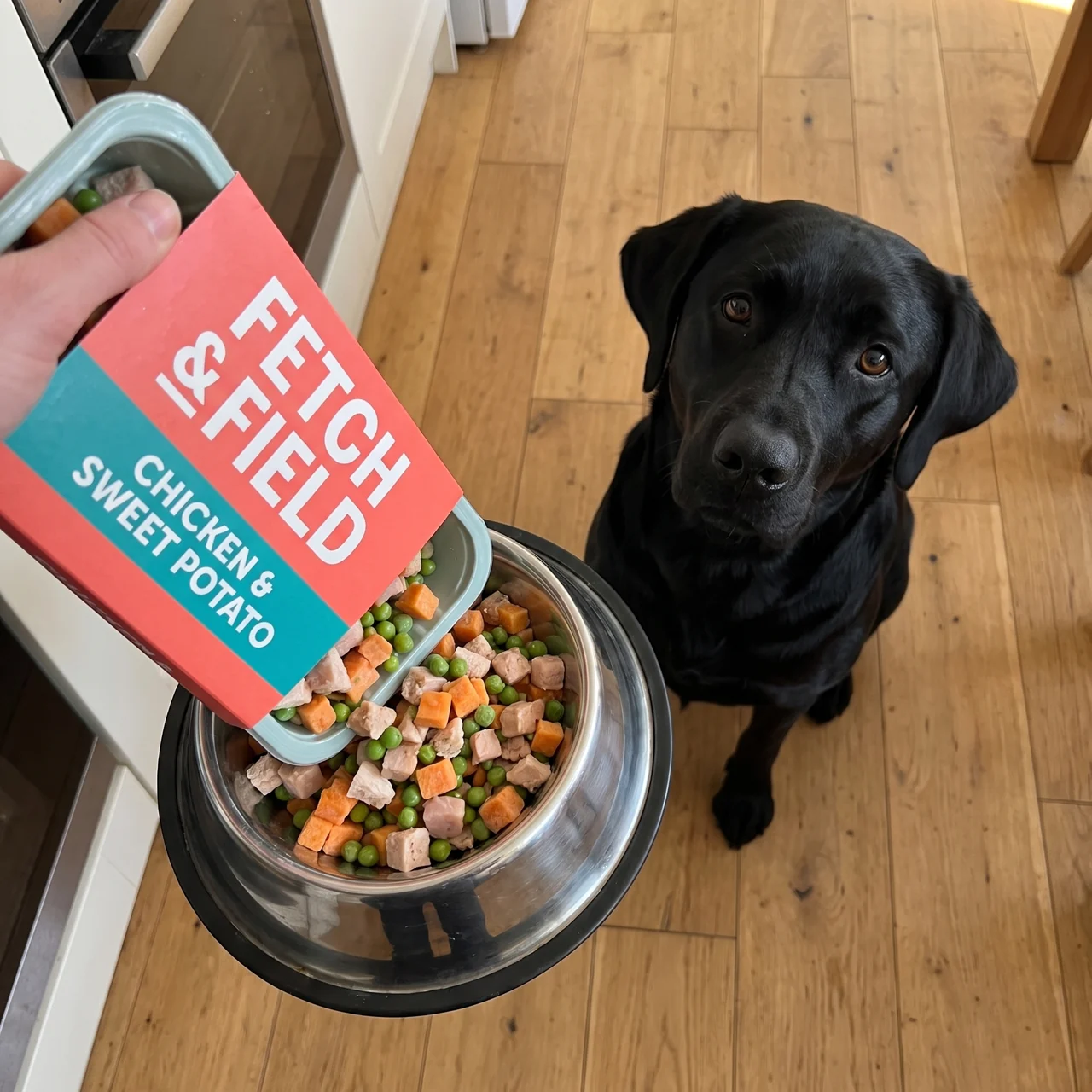
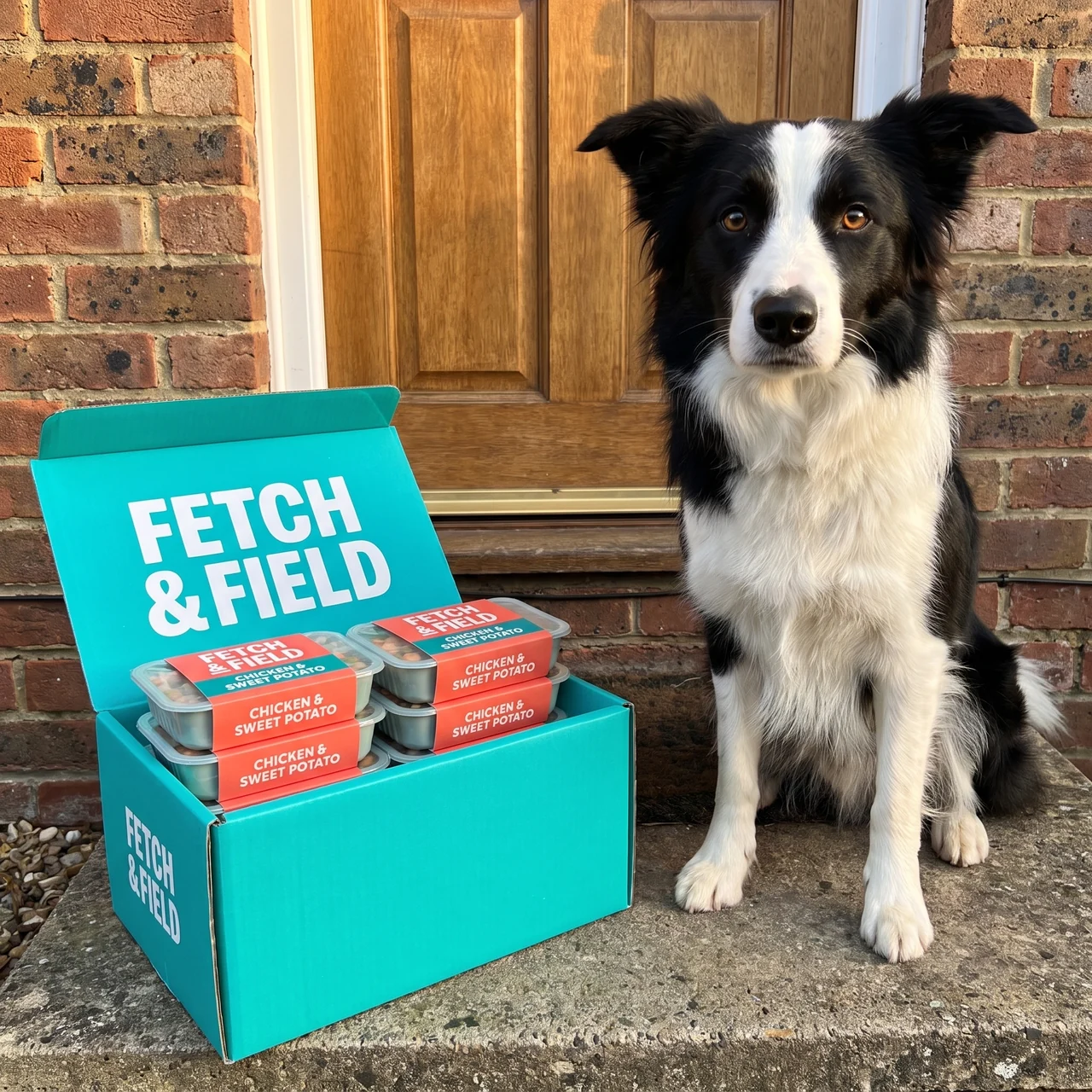
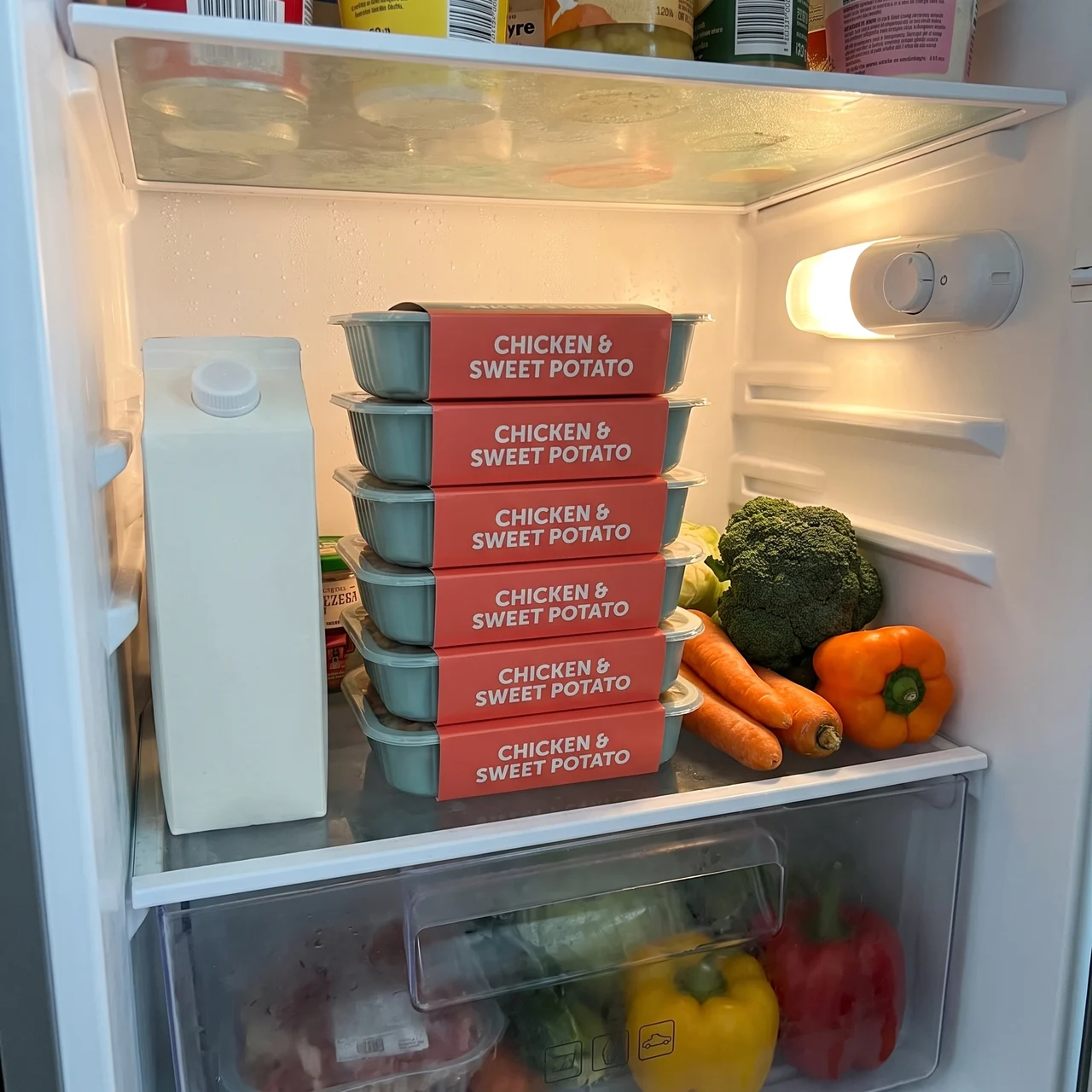
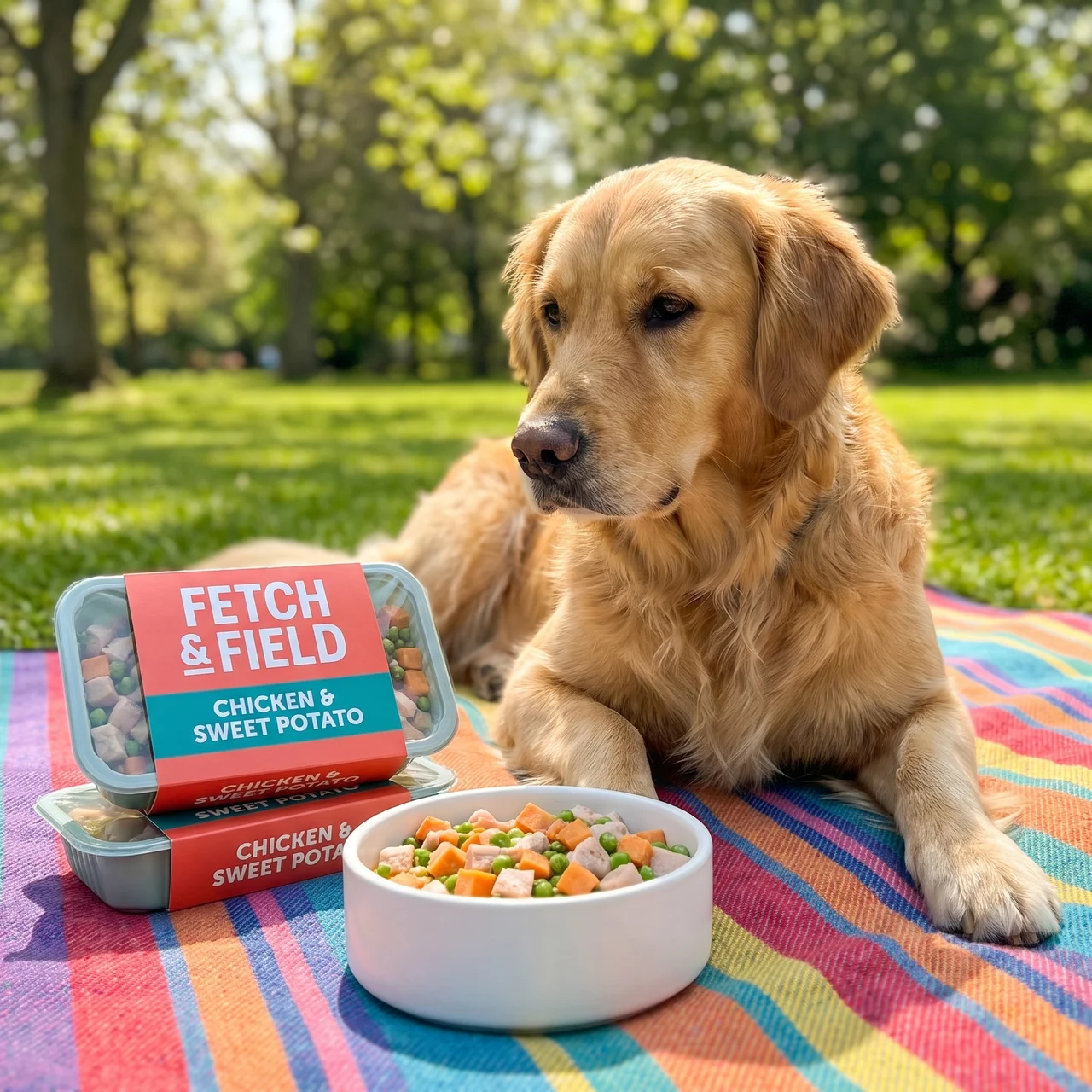
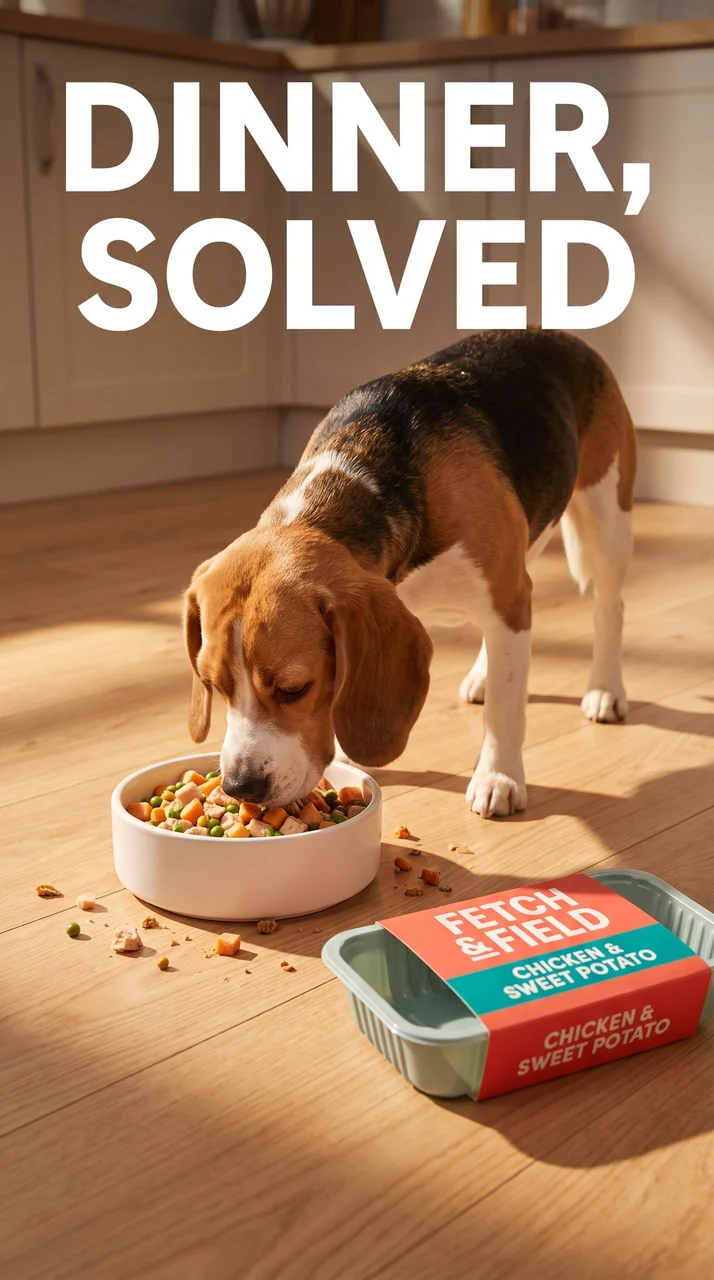
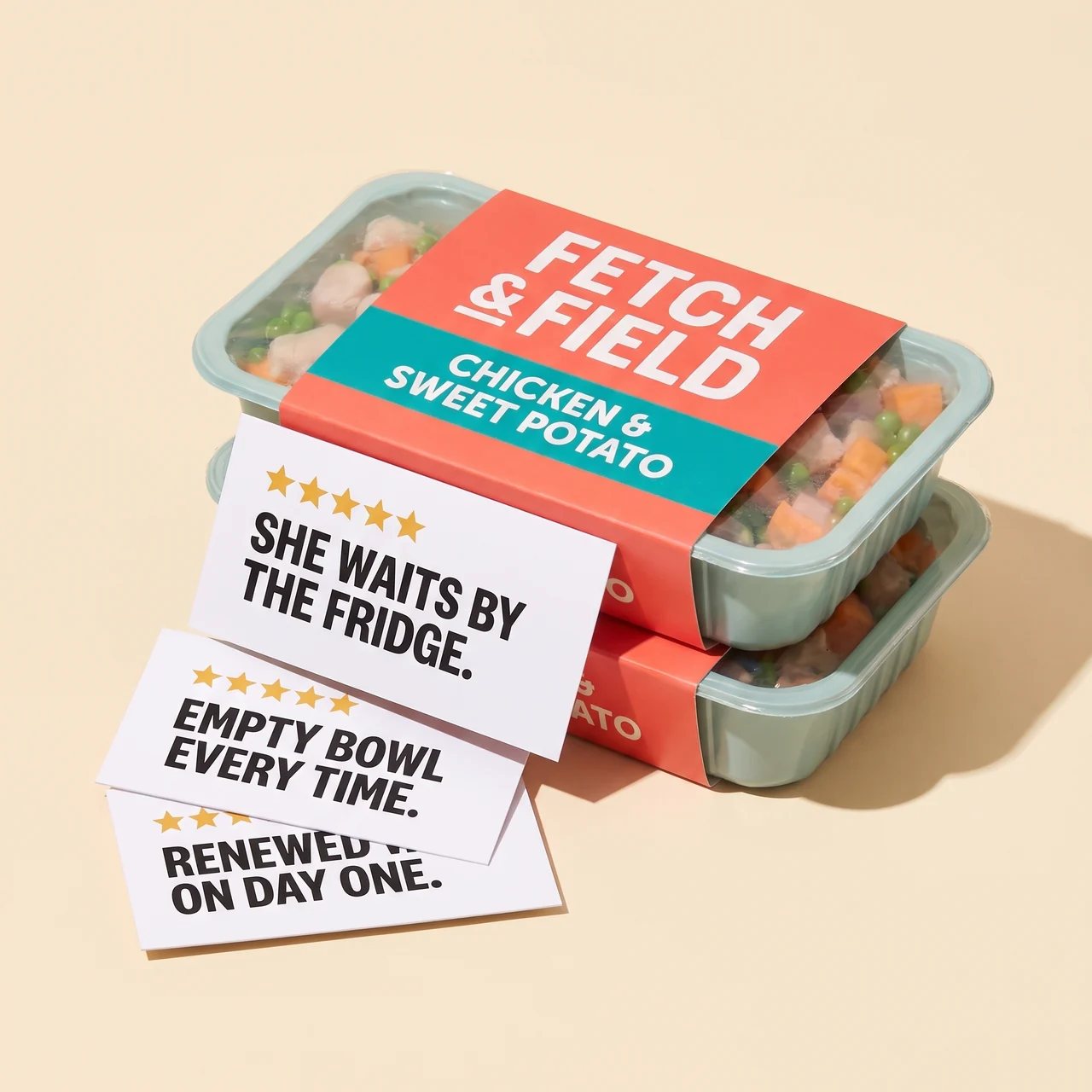
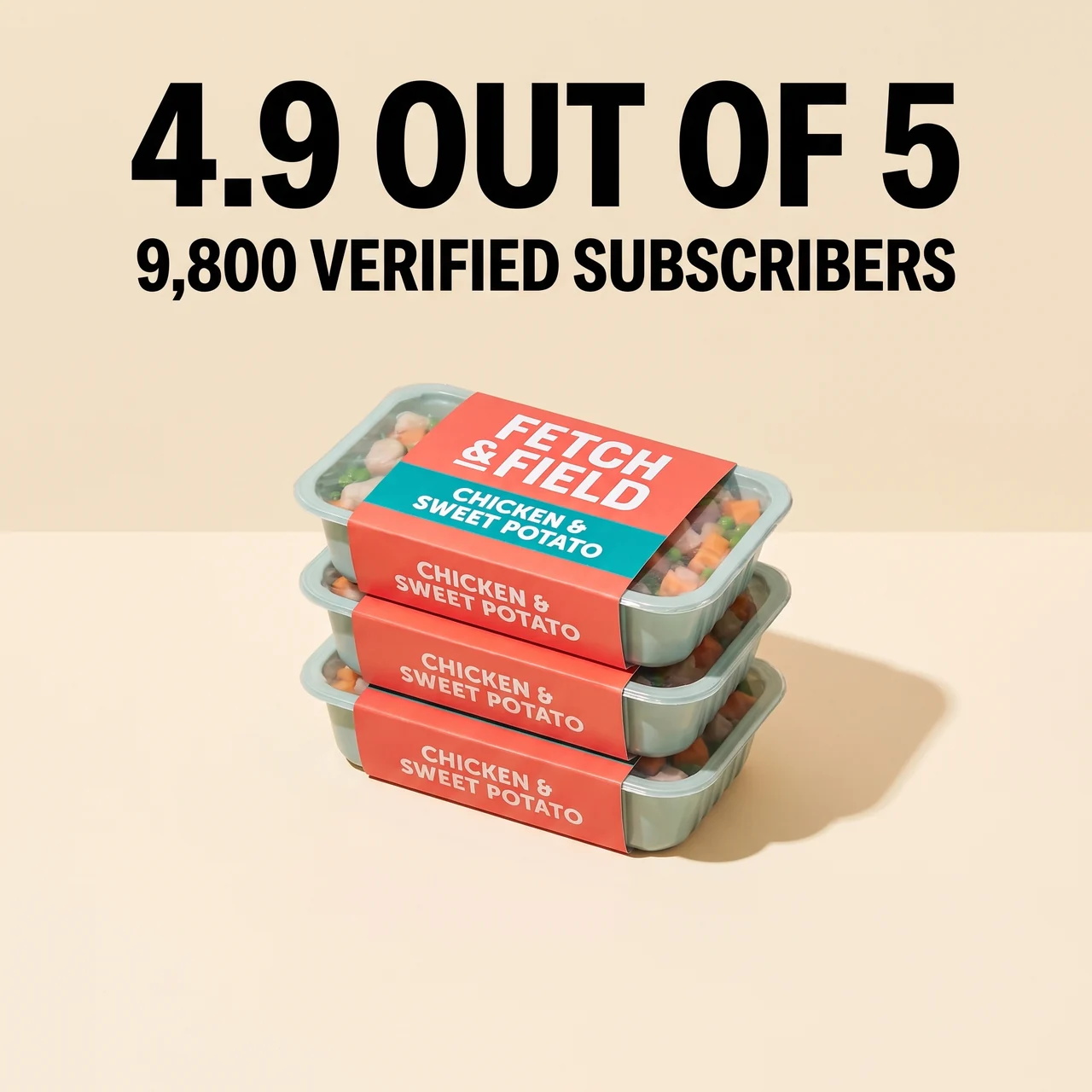
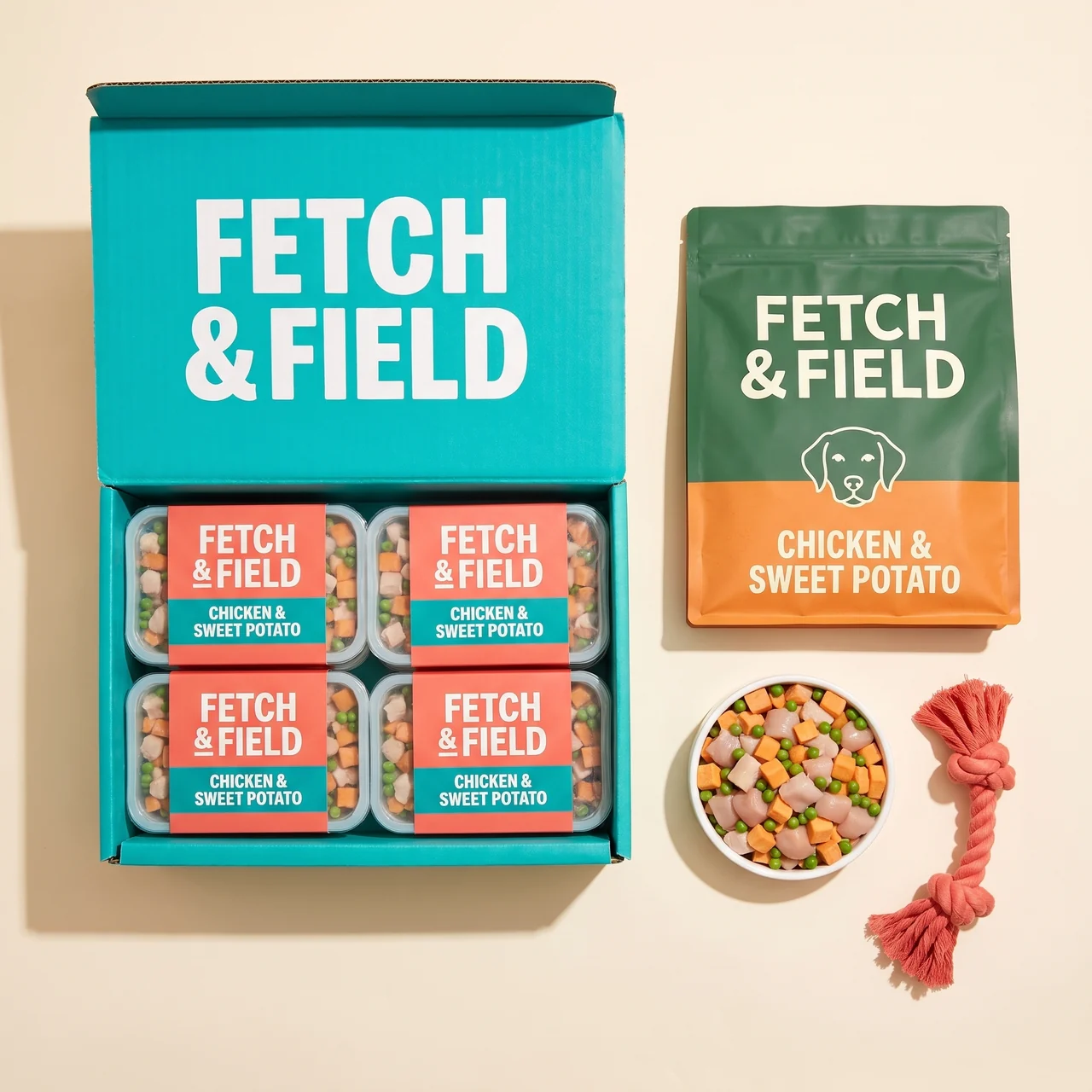
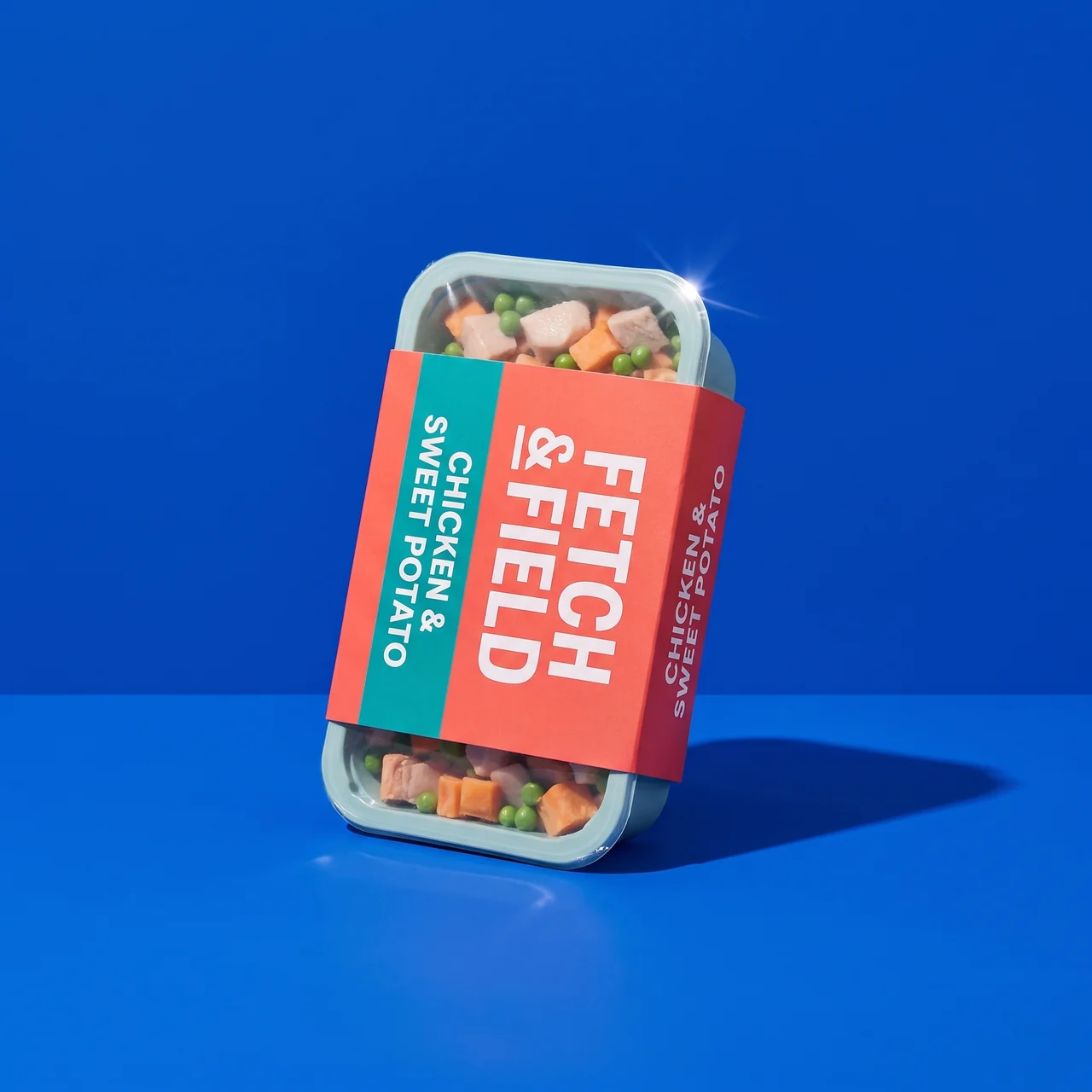
Worked example: Fetch & Field, a made-up fresh dog food subscription. Every number is a plan setting, not a client result.
Pick a product
The steps do not change. The ads, the angles and the numbers do. Choose one and the whole page runs on it: the replay, the ads, the winners and the log.
How one ad becomes seven, seven become twenty one, and the winners keep getting better.
Michael Bennett


How one ad becomes seven, seven become twenty one, and the winners keep getting better.
Michael Bennett

How one ad becomes seven, seven become twenty one, and the winners keep getting better.
Michael Bennett

How one ad becomes seven, seven become twenty one, and the winners keep getting better.
Michael BennettOne full round, start to finish. It plays on its own, or step through it with the controls. Everything below is the same process, held still so you can read it.

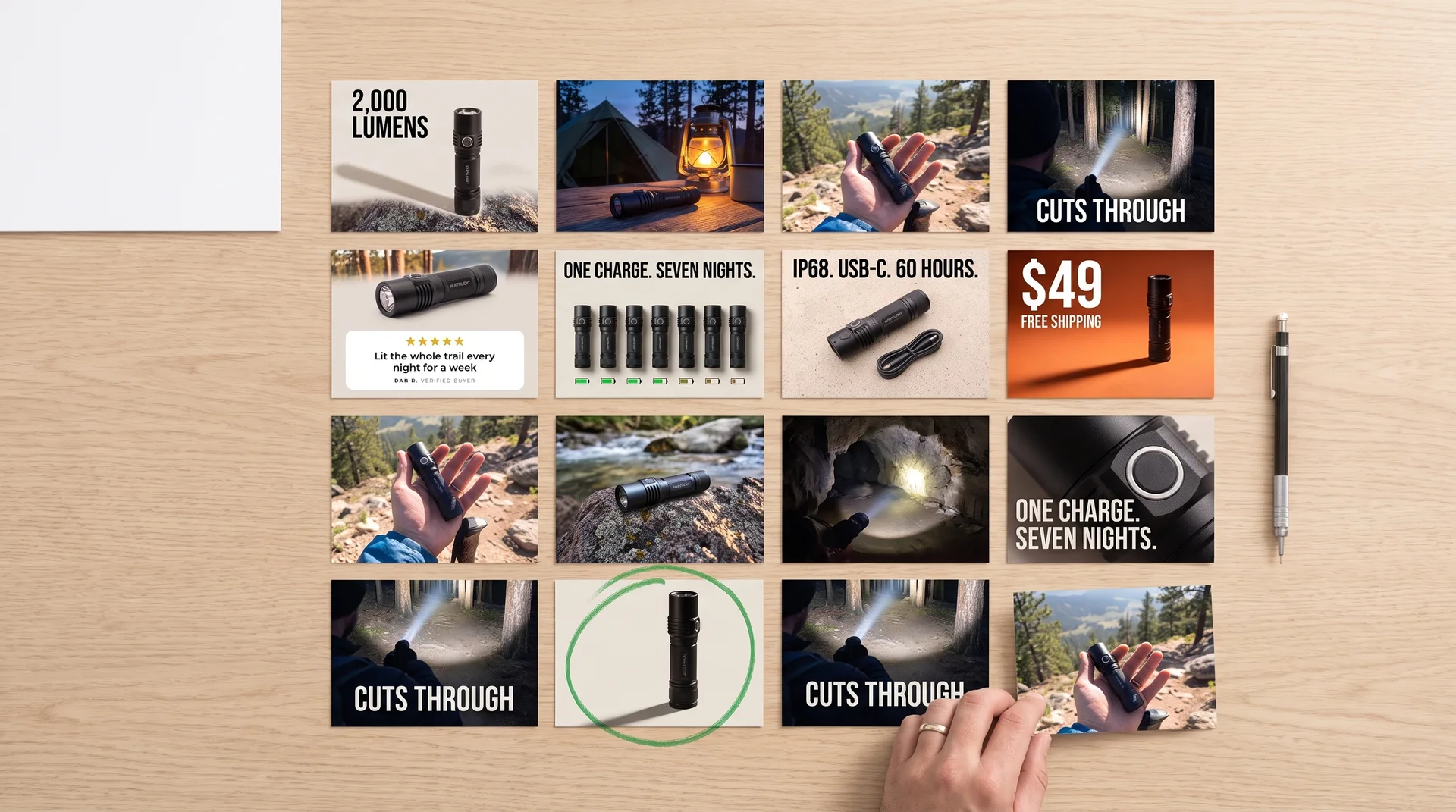
Every new ad is the ad to beat with exactly one thing changed. Grouped by what changed, so when one wins you know why.
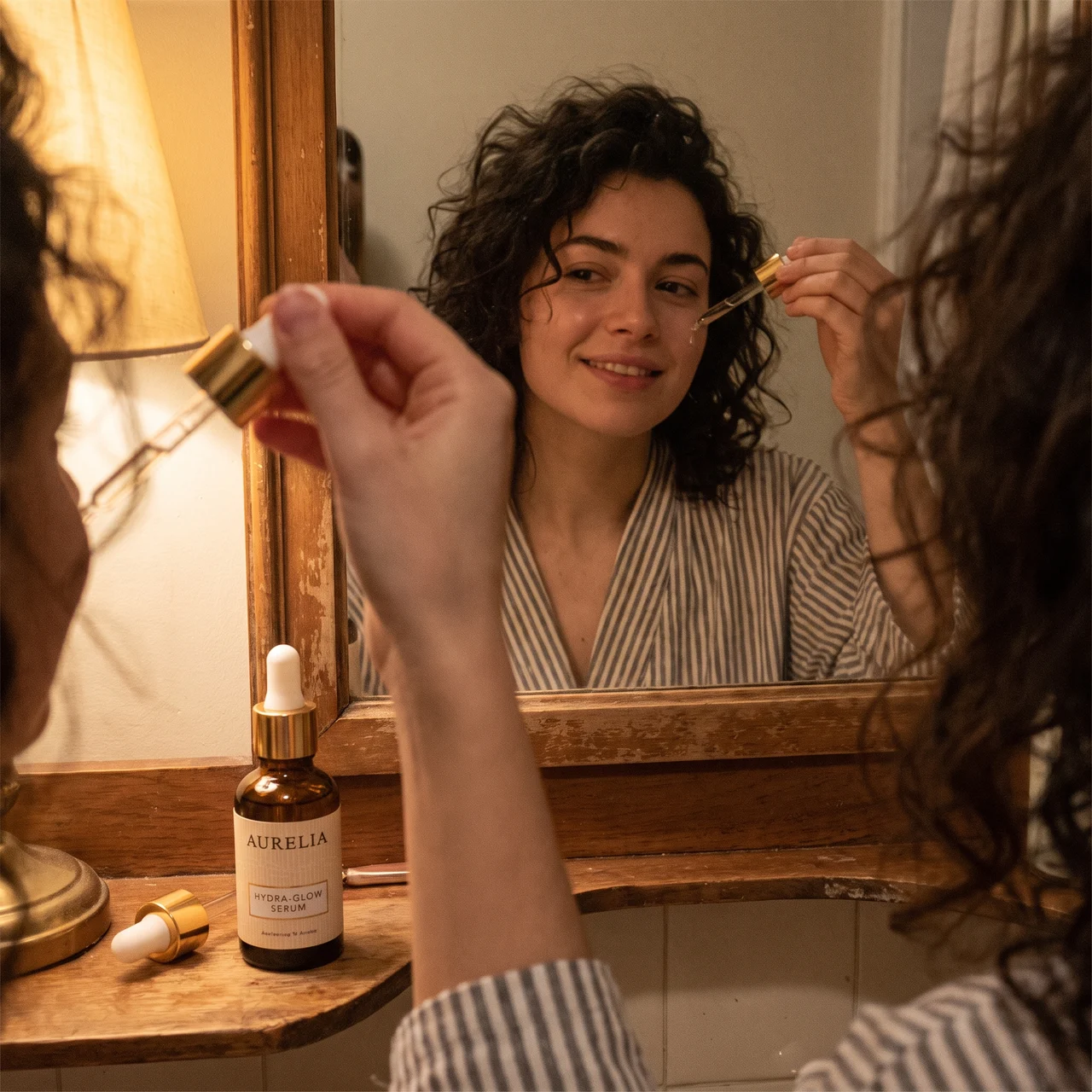
The serum that made 10,000 people cancel their facialist. Visible bounce in 14 days.

The product, the deal, who sees it, where it shows, the budget, and the landing page. If any of those change, it is not a test any more, it is a new campaign.


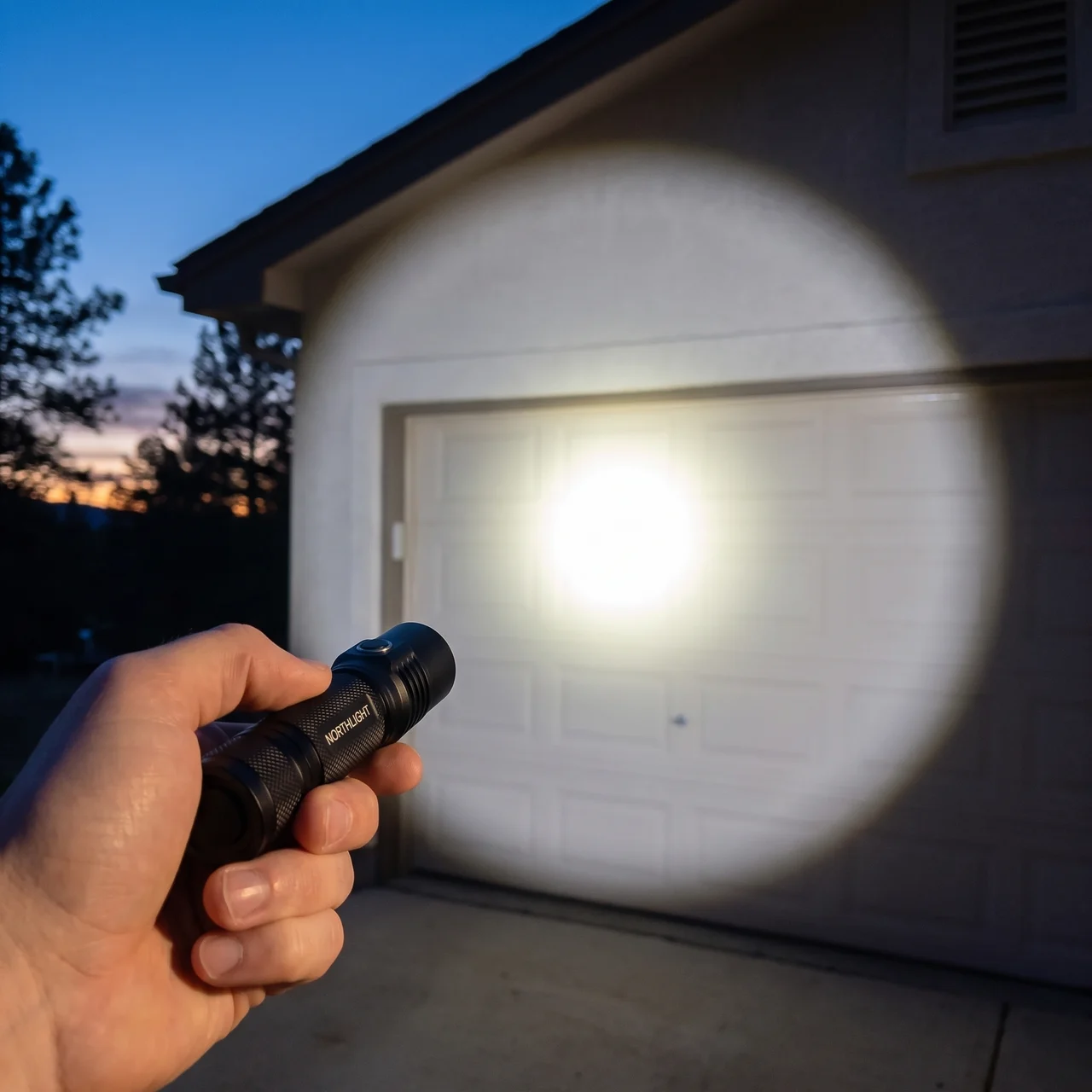
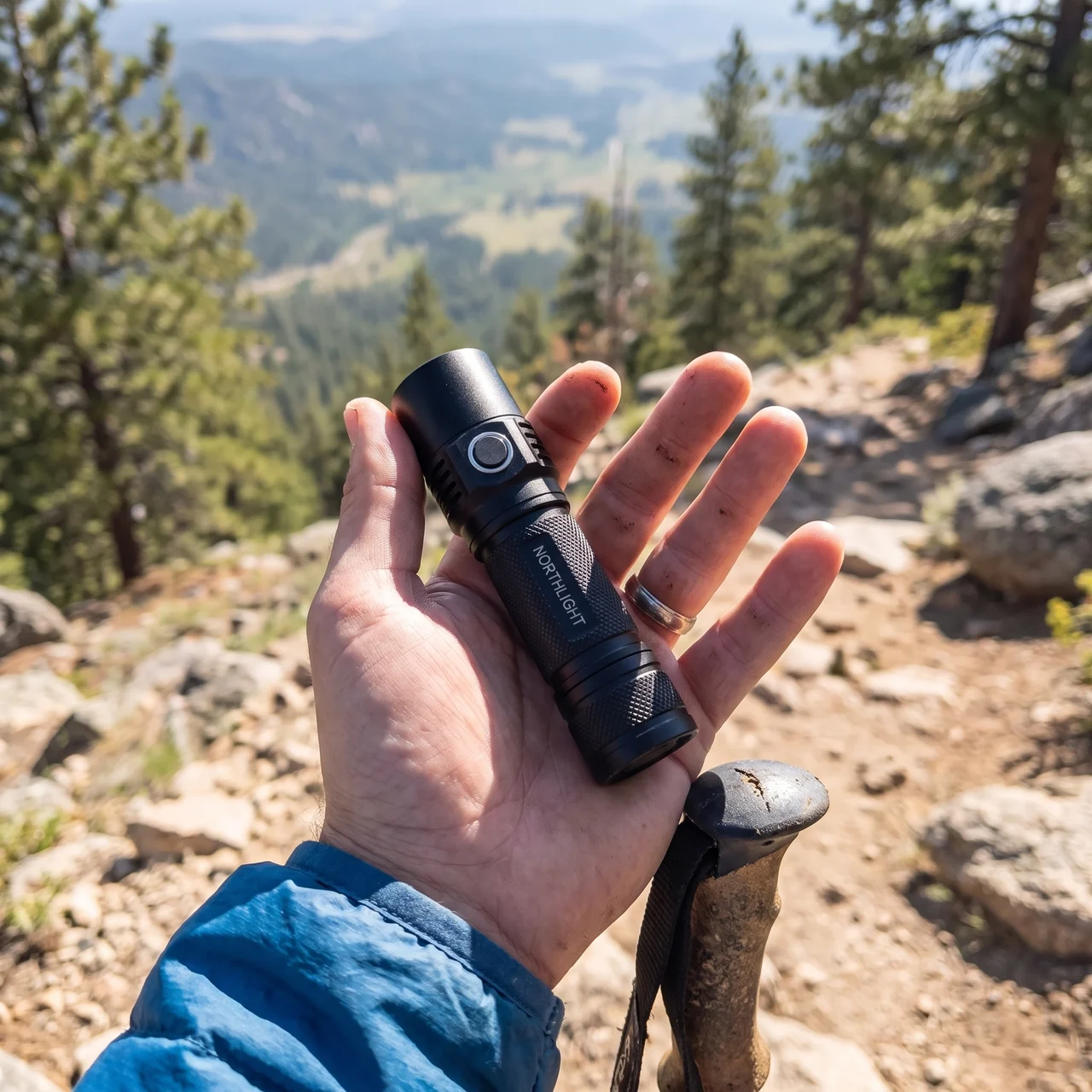
The flashlight 8,000 people bought for one trip and kept for every trip after. 2,000 lumens, 60 hours on a charge.

The product, the deal, who sees it, where it shows, the budget, and the landing page. If any of those change, it is not a test any more, it is a new campaign.


The fashion quarterly 12,600 people read cover to cover. 240 pages, no ads, four times a year.

The product, the deal, who sees it, where it shows, the budget, and the landing page. If any of those change, it is not a test any more, it is a new campaign.


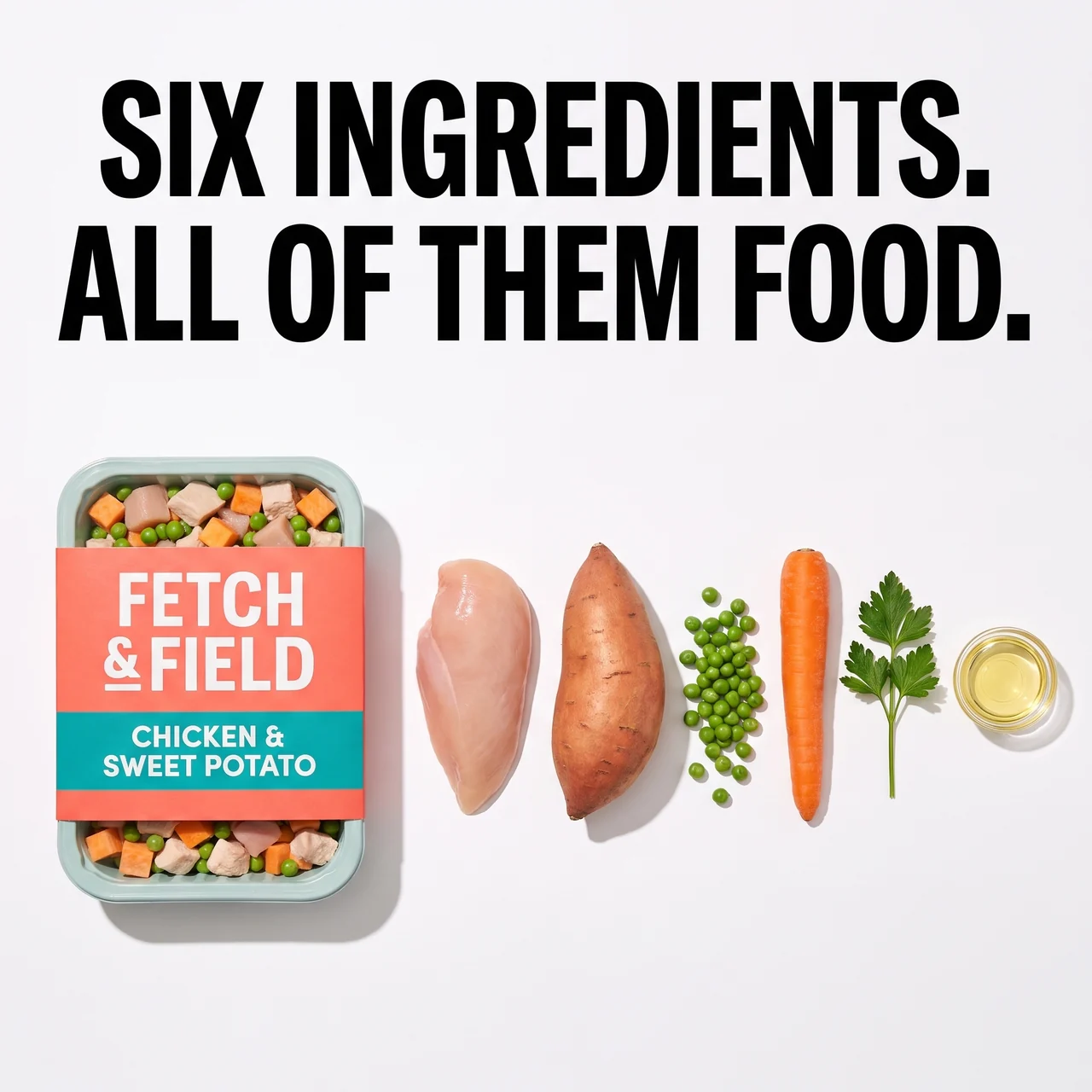
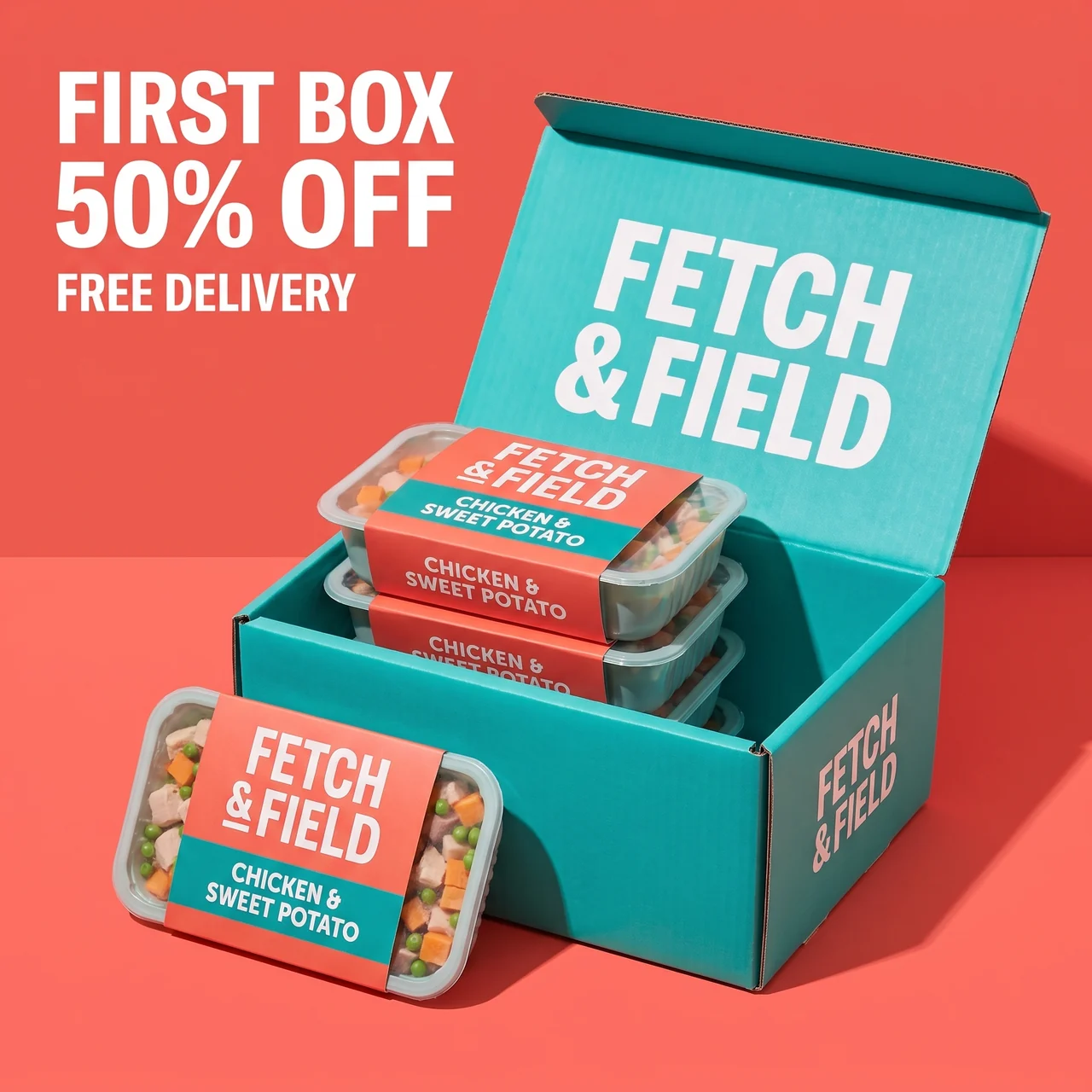
Fresh dog food 9,800 dogs eat every night. Six ingredients, cooked, chilled, delivered to the door every week.

The product, the deal, who sees it, where it shows, the budget, and the landing page. If any of those change, it is not a test any more, it is a new campaign.


Eight is what this budget can carry, not a rule. Split the money too many ways and no single ad gets enough sales to tell you anything. That is not a bigger test, it is the same test with a blurrier answer.
Which ads are wearing out, and what the market is moving toward.
New versions of the best ad. One change each.
Each ad gets a sales target before a dollar is spent.
Rules written in advance say promote, wait or stop. Every winner gets more budget and seeds the next round.
Once a picture wins, it stays put and only the words change. This is where the cheap wins are, and the half that usually never gets tested because it does not look like work.


The target is the number of sales an ad needs before its result means anything, and it is different for every campaign: a few sales for one brand, a hundred for another. If an ad cannot realistically get there, it is merged, given more budget, or it waits. That is what stops us from mistaking luck for a win.
A seven day test is a habit, not a rule. An ad is ready to judge when it has enough sales, whenever that is.
judge it when sales reach the targetChange two things at once and you cannot tell which one won, so the next round is built on a guess. Fine to run. Not fine to learn from.
It is the first budget cut when a quarter gets tight, and the reason accounts run out of winners a year later.
Three checks, in this order, run against live results. Writing them down first is the only way they survive a week where someone loves the losing ad.
Meta restricts before and after photos and personal health claims for skincare, so ad F is built as a dated timeline instead. An ad that wins and cannot run is not a win.
Meta flags claims a buyer cannot check, like a run time no rival can match, so ad F is built as a dated timeline instead: one charge, one photo a night. An ad that wins and cannot run is not a win.
Meta flags claims a buyer cannot check, like the most-read fashion title in print, so ad F is built as a dated timeline instead: four issues, one year, on the shelf. An ad that wins and cannot run is not a win.
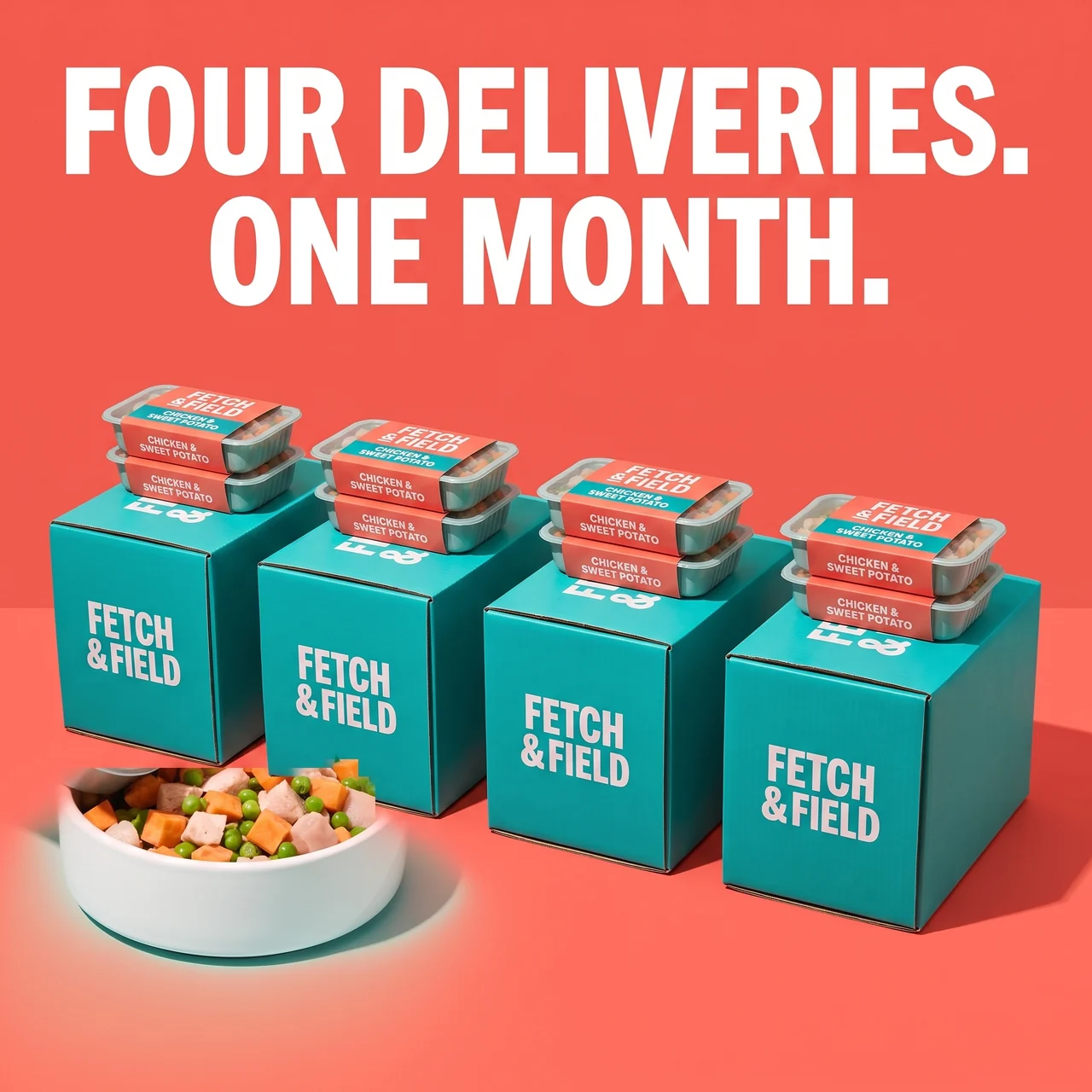
Meta flags health claims a buyer cannot check, like a shinier coat in two weeks, so ad F is built as a dated timeline instead: four deliveries, one month, the box at the door. An ad that wins and cannot run is not a win.
A new winner becomes part of what every later ad has to beat, so the account gets harder to beat on purpose.
This is the part most people get wrong. Two very different ads can both win, and they are not competing, because they are selling to different people. Both get more budget, and each one seeds its own next round.

Won on cost per sale in round 1. Now the question is which person and which setting.


Promoted two rounds later, on the same measure. Reaches a different buyer than the customer-photo angle does.


Two fresh ideas get tested every round out of the try-new budget. An account that only builds on its winners eventually runs out of winners.

Won on cost per sale in round 1. Now the question is which setting and whose hand.


Promoted two rounds later, on the same measure. Reaches a different buyer than the trail-photo angle does.


Two fresh ideas get tested every round out of the try-new budget. An account that only builds on its winners eventually runs out of winners.

Won on cost per sale in round 1. Now the question is which setting and whose hands.


Promoted two rounds later, on the same measure. Reaches a different buyer than the customer-photo angle does.


Two fresh ideas get tested every round out of the try-new budget. An account that only builds on its winners eventually runs out of winners.

Won on cost per sale in round 1. Now the question is which setting and whose dog.


Promoted two rounds later, on the same measure. Reaches a different buyer than the customer-photo angle does.


Two fresh ideas get tested every round out of the try-new budget. An account that only builds on its winners eventually runs out of winners.
One ad carrying the whole budget gets shown to the same people over and over, and that is what wears an ad out. Several winners spread the same spend across more people and buy the account months of life.
The lineup is not a museum. Budget moves between winners every week based on cost per sale, and a winner that fades drops out without a meeting about it.
Not the original ad. Each round is measured against the version before it, which is how an idea keeps getting better instead of drifting.
Every round ends in a written row. This is what lets you look back a quarter later and see exactly why each call was made.
| Round | Ad | What changed | Decided on | Call | What happened next |
|---|---|---|---|---|---|
| 01 | C | Customer-style photo | Cost per sale, target reached | PROMOTE | Joins the winners. Its next versions get built. |
| 02 | E | Ingredient led | Cost per sale, target reached | KILL | Idea stays open. Next version leads with one ingredient, not three. |
| 02 | D | Review led | Not enough sales yet | HOLD | Keeps running into round 3. No call made yet. |
| 03 | D | Review led | Cost per sale, target reached | PROMOTE | Second winner in the lineup. Runs alongside C, not instead of it. |
| 03 | C2 | Shorter caption | Clicks that turn into sales | PROMOTE | The shorter caption becomes the default on both winners. |
| 01 | C | Customer-style photo | Cost per sale, target reached | PROMOTE | Joins the winners. Its next versions get built. |
| 02 | E | Spec led | Cost per sale, target reached | KILL | Idea stays open. Next version leads with one spec, not three. |
| 02 | D | Review led | Not enough sales yet | HOLD | Keeps running into round 3. No call made yet. |
| 03 | D | Review led | Cost per sale, target reached | PROMOTE | Second winner in the lineup. Runs alongside C, not instead of it. |
| 03 | C2 | Shorter caption | Clicks that turn into sales | PROMOTE | The shorter caption becomes the default on both winners. |
| 01 | C | Customer-style photo | Cost per sale, target reached | PROMOTE | Joins the winners. Its next versions get built. |
| 02 | E | Spec led | Cost per sale, target reached | KILL | Idea stays open. Next version leads with one claim, not two. |
| 02 | D | Review led | Not enough sales yet | HOLD | Keeps running into round 3. No call made yet. |
| 03 | D | Review led | Cost per sale, target reached | PROMOTE | Second winner in the lineup. Runs alongside C, not instead of it. |
| 03 | C2 | Shorter caption | Clicks that turn into sales | PROMOTE | The shorter caption becomes the default on both winners. |
| 01 | C | Customer-style photo | Cost per sale, target reached | PROMOTE | Joins the winners. Its next versions get built. |
| 02 | E | Spec led | Cost per sale, target reached | KILL | Idea stays open. Next version leads with one ingredient, not six. |
| 02 | D | Review led | Not enough sales yet | HOLD | Keeps running into round 3. No call made yet. |
| 03 | D | Review led | Cost per sale, target reached | PROMOTE | Second winner in the lineup. Runs alongside C, not instead of it. |
| 03 | C2 | Shorter caption | Clicks that turn into sales | PROMOTE | The shorter caption becomes the default on both winners. |
Read rows two and three together. An ad that has not earned a call does not get one, and an idea that loses is not dead, it comes back as a different version next round.
A process that only runs when someone remembers to run it is not a system.
| The usual process | Run as a system | |
|---|---|---|
| Variation | One idea, a few versions, all different in several ways at once | One change per ad, so you know what caused the win |
| Copy | Written once with the picture, rarely tested on its own | Its own test: caption, headline and button change one at a time |
| Targets | Decided after launch, if at all | Every ad gets a sales target before it goes live |
| Judging | A weekly look, often before there are enough sales to mean anything | Judged when the target is reached, whenever that is |
| Deciding | A discussion, and whoever feels strongest | Rules agreed before anyone sees a result |
| Carrying forward | One hero ad, rebuilt from instinct when it tires | Every winner gets more budget and seeds its own next round |
Next step
The parts worth judging are the ones that touch your data. I will look at a live account and show you which ads are wearing out, which ideas are worth testing first, and what a fair test looks like at your sales volume.
Request the audit →