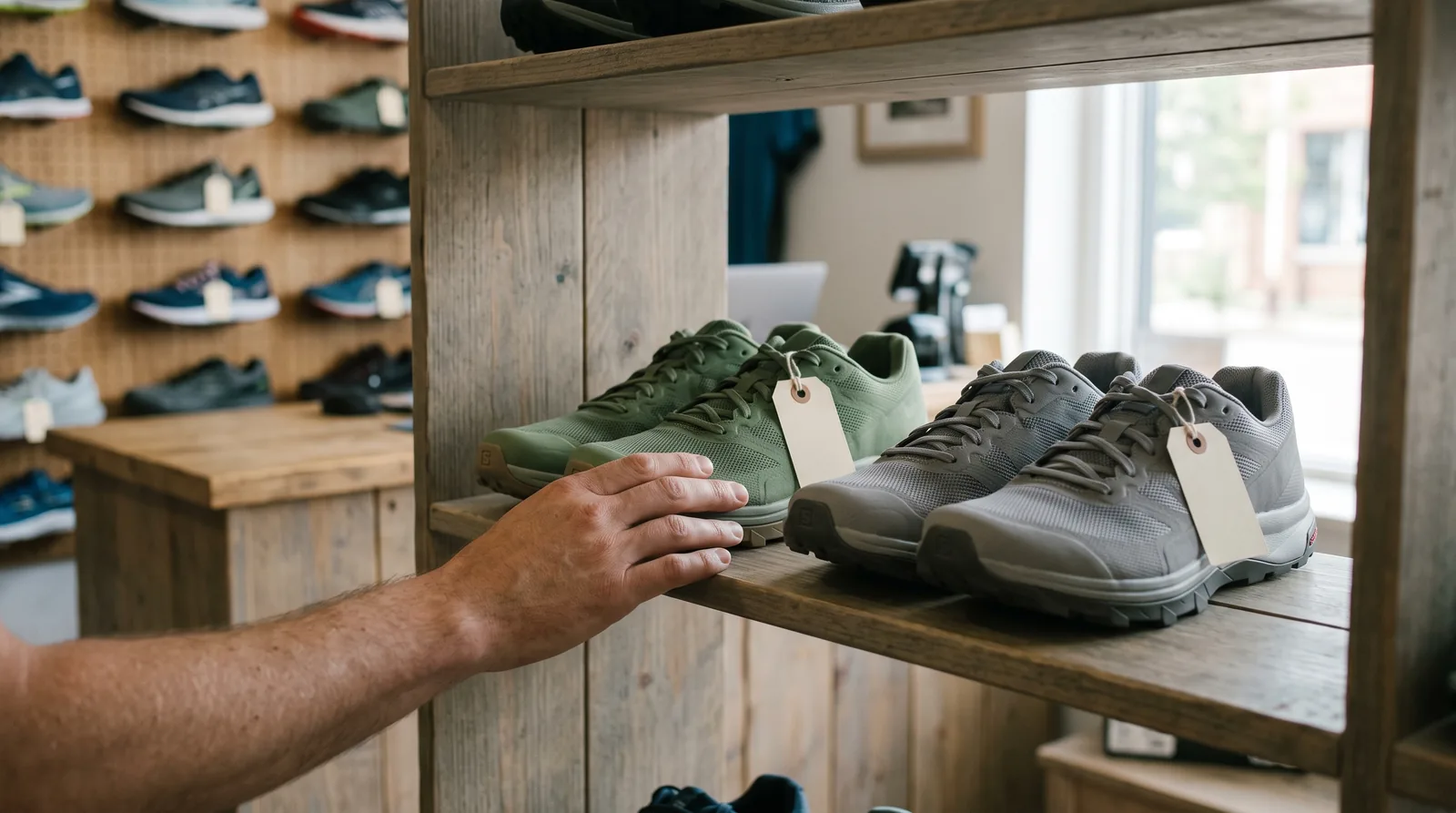
Google's Universal Cart is 1 shopping cart that holds products from many stores, and it launched in the U.S. on October 15, 2026, across Google Search and the Gemini app. Your product can now sit in the same cart as a rival's, and the cart tells shoppers when either price drops.
Below: what launched, what the cart watches, how shoppers pay, and 4 things to check before Black Friday (November 27, 2026). The facts come from Google's launch post and Merchant Center's help page. Where the reasoning is ours, it says "Our read".
What launched on October 15
What it is. Google's launch post: “Today, Universal Cart is rolling out in the U.S. across Google Search and in the Gemini app.” A shopper saves products from different retailers into 1 cart. Google's example is a handbag saved in AI Mode in Search, with a sweater and a lip gloss saved in the Gemini app.
What the cart watches. “The cart is built on the 60+ billion continually refreshed product listings in Google’s Shopping Graph”, and it keeps checking them, “sending notifications about price drops or when an item comes back in stock.” It also finds discounts: “It’ll also show you relevant promo codes right from the cart.” Because it's built on Google Wallet, it helps the shopper pick which card to pay with.
How shoppers pay. 2 ways. They check out with Google Pay inside the cart, or move their items to the store's own cart, which Google's post describes to shoppers as: “transfer your items directly to the merchant’s cart to finish buying on their site”. Among the stores Google names in the launch post: Nike, Sephora, Target, Ulta Beauty, Walmart, Wayfair and “many Shopify merchants”.
Who the seller is. You are. The merchant “will remain the seller of record”, the launch post says.
What runs the checkout. Google's launch post says checkout is “powered by the Universal Commerce Protocol (UCP)”, the system behind checkout inside Google.
4 checks before the holidays
1. Keep your price and stock up to date
The cart's alerts come from product listings that Google refreshes continually. Our read: if your feed is behind, the alert is wrong. A shopper who saved your item gets no back-in-stock ping, or gets one for an item you've since sold out of. Check how often your product feed updates in Merchant Center, and fix any product whose price or stock is out of date before the holiday rush.
2. Watch your rivals' prices
1 cart can hold the same product from 2 stores. Our read: when a rival cuts their price, the shopper who saved both gets a price-drop alert for theirs, not yours. You can't stop the alert, but you can know it's coming. List the products where a rival sells the same item, and check their prices weekly through the holidays.
3. Want checkout on Google? Apply, and start early
Checkout inside Google runs on UCP. Merchant Center's help page: “With the UCP integration hub, merchants can select UCP capabilities such as cart transfer to merchant site, native checkout on Google, and identity linking.” Getting in takes 3 steps, per the same page: complete the technical work in Google's UCP developer guide, fill out Google's interest form, and wait for Google to select you. Then Google opens onboarding in Merchant Center, with a sandbox to test in.
Google picks who gets in, and the hub is rolling out in the U.S. first, “with Australia and Canada to follow next year.” Our read: with Black Friday on November 27, plan for most shoppers finishing on your site this season, and make that page fast and clean.
4. On Shopify or another platform? Ask your provider
The same help page tells merchants on a third-party platform to “connect directly with them to learn more about their plans for Universal Commerce Protocol integration.” If you sell on Shopify, our September 25 post covers a related default: Shopify's Help Center says checkout inside Google AI Mode and Gemini is on by default for eligible stores. Ask your platform which UCP features it supports, and which ones are on for your store.
What Google hasn't said
- How promo codes get into the cart. We found no Google page that says where the cart's codes come from, so we can't tell you how to add yours.
- Any sales numbers. We found no figures from Google for what the cart does to sales or conversion rates.
Open Merchant Center, check when your product feed last updated, and list the products you sell that a rival sells too. Those are the rows where the cart compares you.
Sources
- Google, “An intelligent new shopping cart”, Suresh Ganapathy, Oct 15, 2026
- Google Merchant Center Help, “How to onboard to the UCP integration hub in Merchant Center”, read Oct 16, 2026
- MichaelBennett.co, Checkout Inside Google AI Mode Is On by Default for US Shopify Stores, Sep 25, 2026
Quotations are exact. Lines marked Our read are MichaelBennett.co's reasoning, not Google's.
Working out where AI actually fits in your marketing?
I write these while building the systems behind them: measurement, creative pipelines, and agents that do real work. Connect on LinkedIn and tell me what you are working on. That is where these conversations start.
Connect on LinkedIn